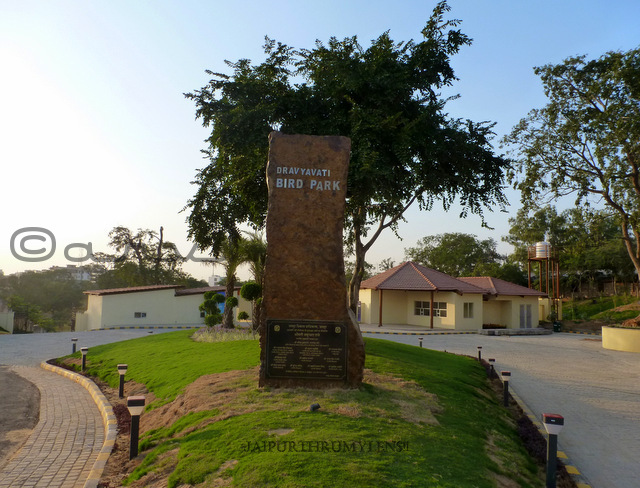
The Dravyavati Riverfront project has been in the limelight of late. It is one of the most ambitious projects undertaken by the ruling political party in the current session. Inspired by the Sabarmati riverfront in Ahmedabad, Gujarat, the project was executed by TATA projects. A section of the Dravyavati Riverfront was inaugurated in the Mansarovar area by the chief minister in haste because of the upcoming state elections. The ruling party was under massive pressure not wanting to lose an opportunity to take credit for the election campaign. The irony is that not even 50% of the project has been completed to date – November 2018. Dravyawati Bird Park is near Bani Park in Jaipur and is part of riverfront project. Lately, the cafe in this park, Pumphouse Cafe and Museum, is gaining a lot of traction.
Dravyavati Bird Park | The complete guide
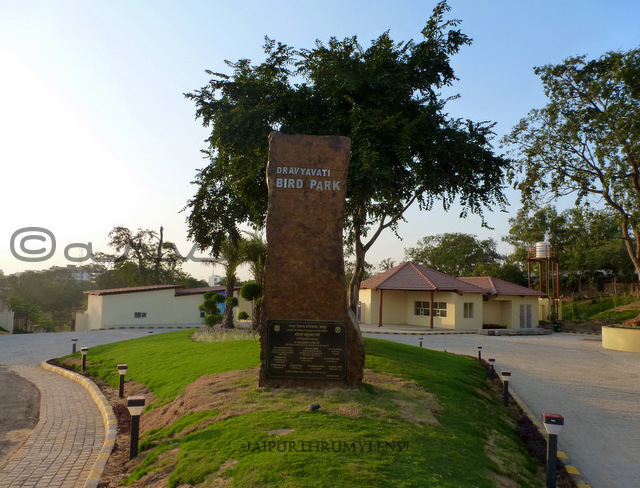
Dravyawati Bird Park is now open to the public in Jaipur as part of the Dravyavati River Project. It is in close proximity to the famous Bani Park area but far from the riverfront section that was recently inaugurated in Mansarovar. The park is at a historic site called Amanishah waterworks, which has been a source of water for Jaipur city for years. Most residents of the city can recall it by the name of Amanishah Nalla. Lately, Dravyavati Bird Park Cafe is gaining a lot of interest.
History of Dravyavati River in Jaipur
Dravyavati river is better known as Amanishah Nalla among the residents. As per historians, Dravyavati river used to flow near Jaipur at some point in time in the past. There are conflicting opinions among historians about the course of this river. The history of Jaipur is closely linked with it and the same is being mentioned in old research. We don’t have a river in Jaipur anymore; it’s history. All we have is a dry water channel created by the 1981 floods in Jaipur.
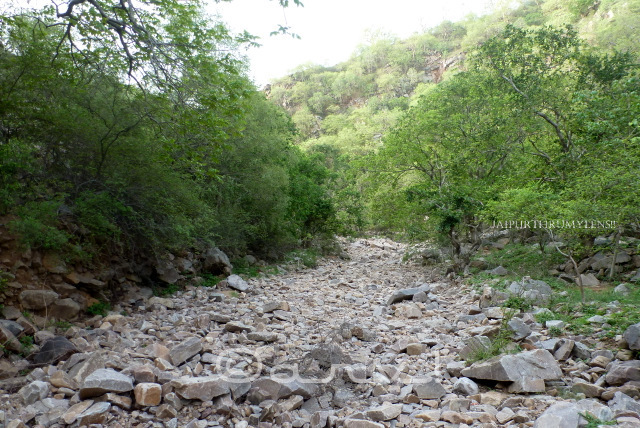
Here is a picture of the Dravyavati river near its origin point in Jaipur. I hiked through the route of the river from its origin, a few years ago. The river starts from the hills of Nahargarh Fort. Let me also mention that even the origin is disputed.
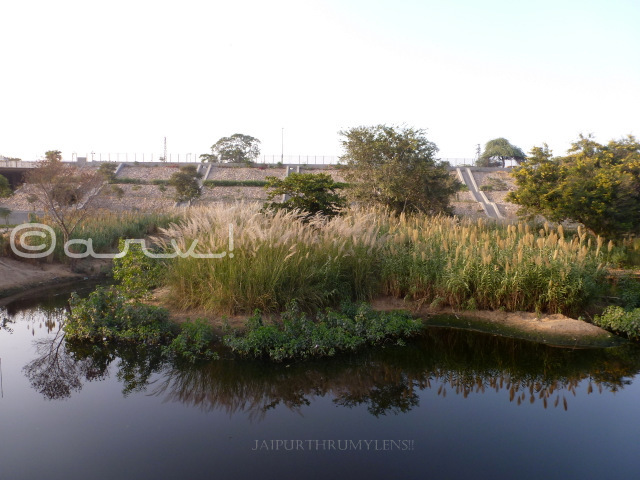
Amanishah Nala
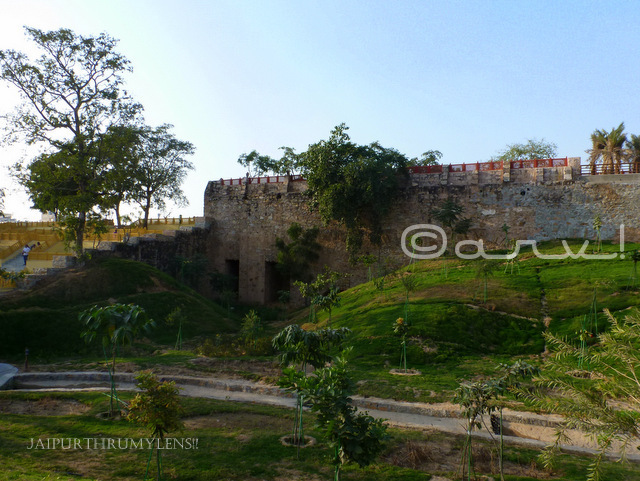
History of water supply in Jaipur
In 1848 Ram Sagar Dam was created to supply water to Jaipur; it was breached in 1853 AD. In 1884-85, a dam was constructed by erecting 800 feet long and 60 feet high wall under the supervision of Col. Samuel Swinton Jacob. He was the chief engineer of Jaipur and is best remembered for the Albert Hall Museum.
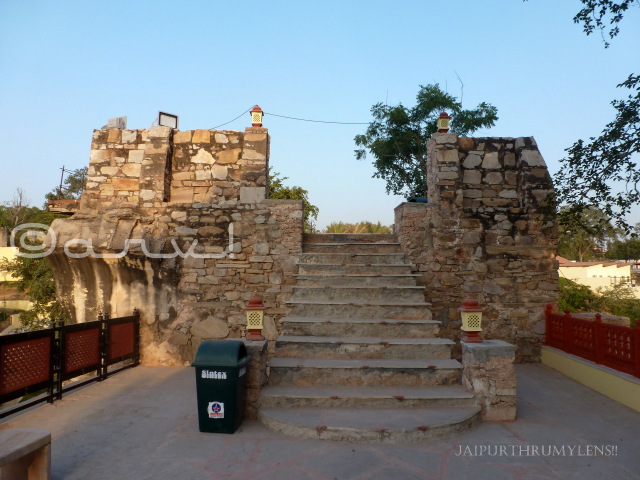
The Ram Sagar Dam was built under the rule of Maharaja Sawai Ram Singh II. The developments in 1884 were during the reign of Maharaja Sawai Madho Singh II. Coincidentally, the ill-famed Chhapaniya Akaal, took place soon after. What is Chhapaniya Akaal? Chhapaniya Akaal is also called the Indian Famine of 1899-1900. There were multiple reasons for Chhapaniya Akaal. One major being El-Nino, the failure of monsoon in India, a major source of water for drinking and agriculture in India. Also, the British rule or British Raj was apathetic towards the situation; the colonial rulers did nothing despite the fact they were profiting so much from India and allowed millions of Indians to die in this period. The famine was followed by epidemics like cholera.
A steam engine imported from the UK was installed to supply water to the city. Prior to the piped water supply, residents would fetch water from any of the three Chaupars like Choti Chaupar in the Jaipur walled city. Unfortunately, two of these Chaupars have been impacted by the laying of Jaipur metro and its stations.
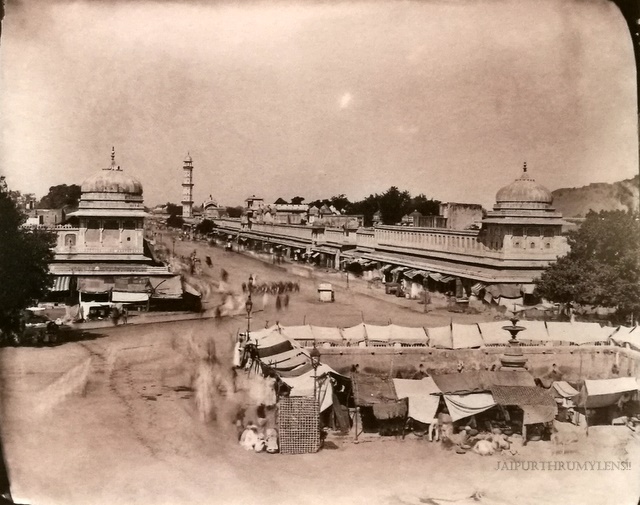
Read Jaipur then & Now – Choti Chaupar
Amanishah Waterworks didn’t serve long. A larger water supply at Jamwa Ramgarh lake near Jaipur was constructed at the start of the 20th century. It is better known as Ramgarh Dam. During the last 20 years, this dam has dried up owing to manmade factors. Currently, Jaipur gets its water supply from Bisalpur Dam which is in the Tonk district.
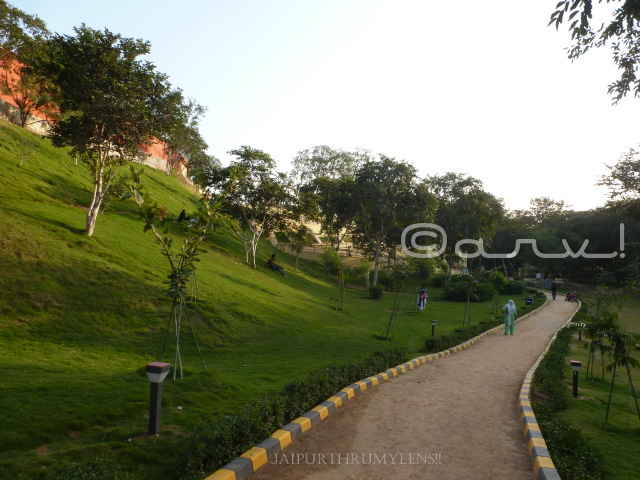
The Amanishah waterworks have been converted into a museum and a cafe. The area allocated to the park is quite small. The park and the plant house are situated on a river bed with a major road on one side and Jaipur army cantonment on the other side.
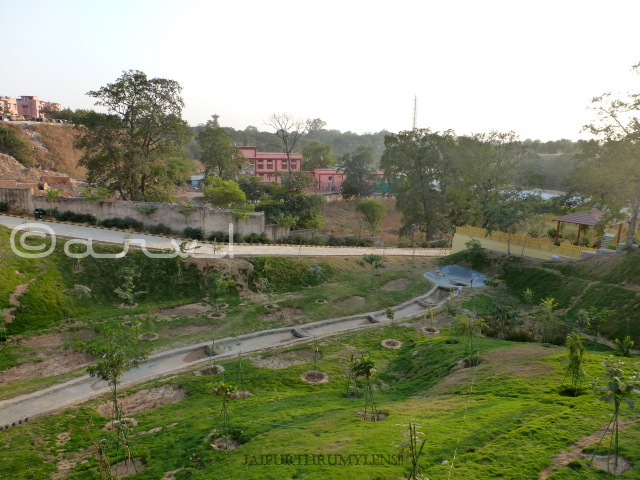
The name seems irrelevant. The only birds one finds here are native birds.
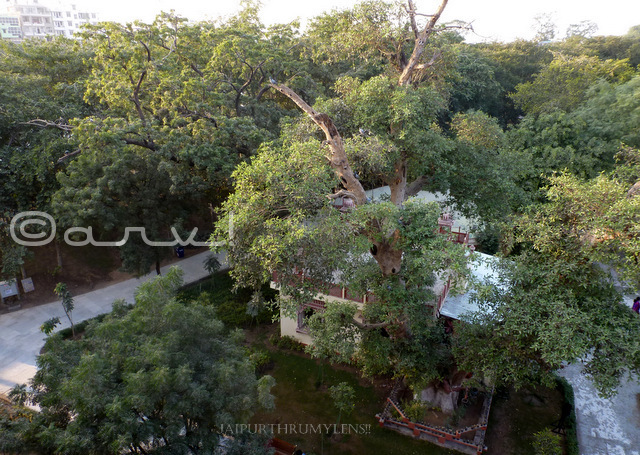
Dravyavati Bird Park Cafe
The old pump house has been converted into a cafe and the boiler and ancillary machinery is now part of the bird park cafe. Previously, the Dravyawati Bird Park cafe was run by a different owner but now it is run by Cafe Noir and is called Nest Cafe or Nest Coffee House. The pictures here are from the previous cafe which existed prior to Nest Cafe in Dravyawati Bird Park. Pumphouse cafe at the Dravyawati Bird Park was designed by architect Abha Lamba of Abha Narain Lambah Associates, based in Mumbai.
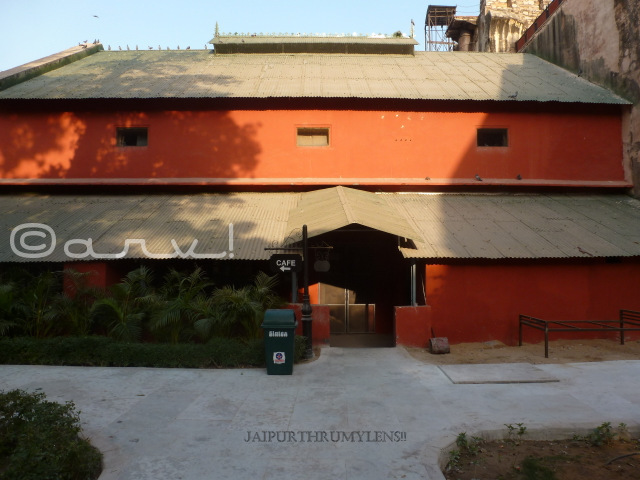
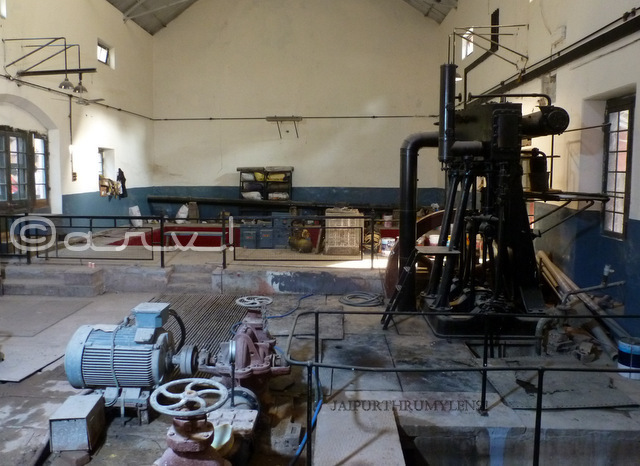
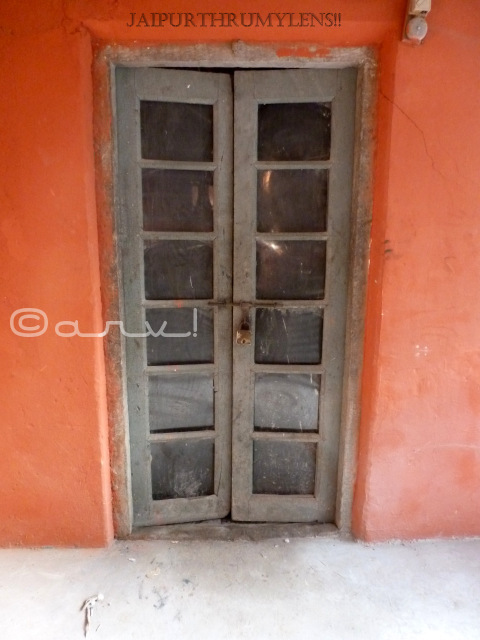
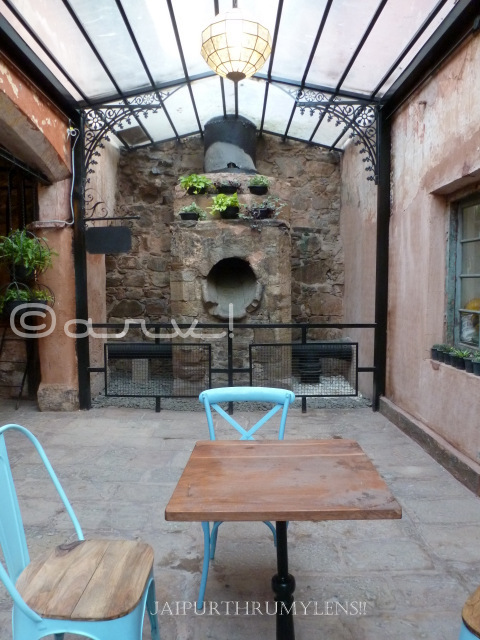
I must mention here that the renovation of the entire plant to turn it into a cafe in Dravyawati Bird Park has been done very well. A neat job! There are enough hints about the history and heritage of the site. If you want to explore more restaurants and cafes in Jaipur, read: Best Cafes & Restaurants in Jaipur
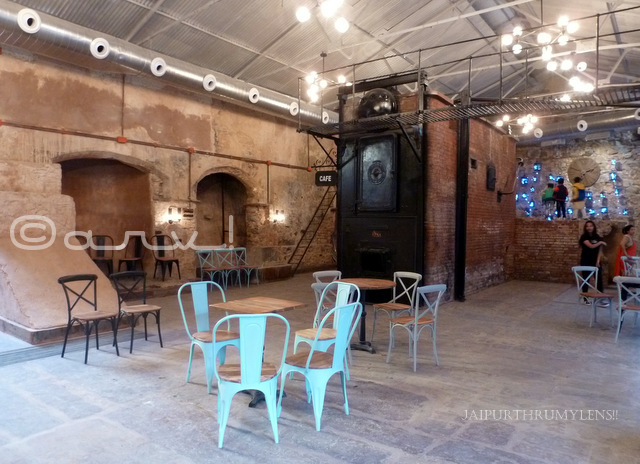
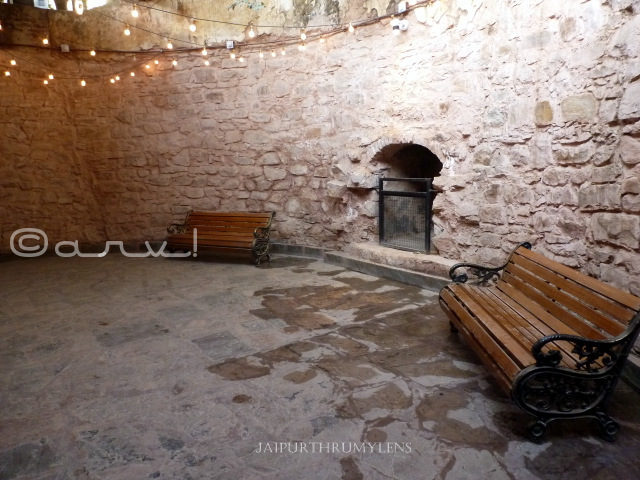
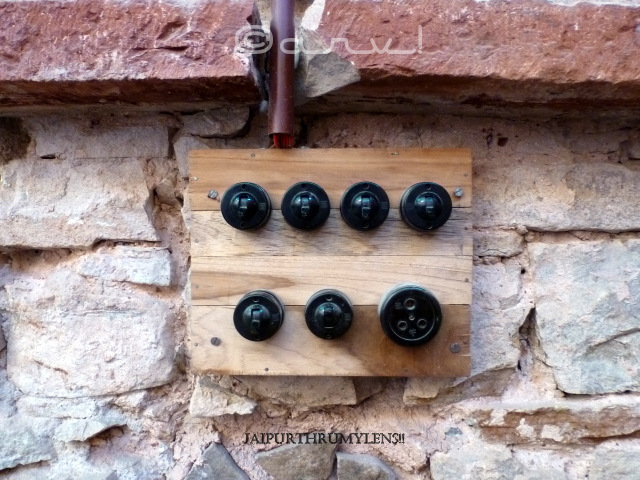
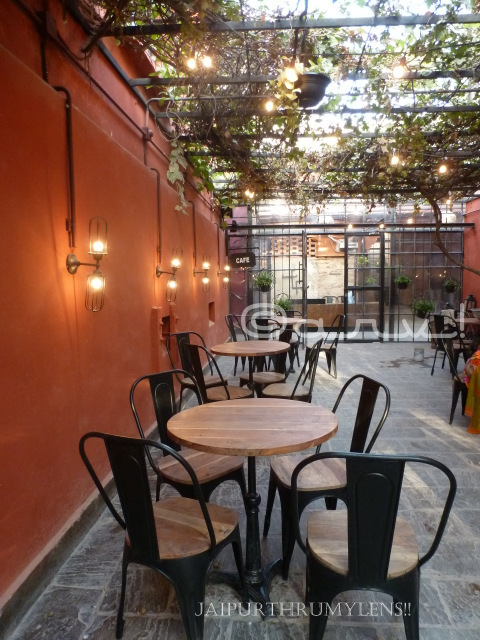
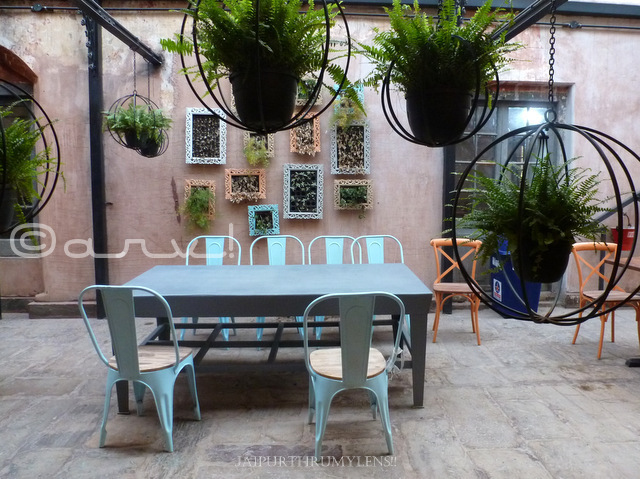
Here is a picture of Nest by Noir Bid Park Cafe at Dravyawati Bird Park at Amanishah Nalla.
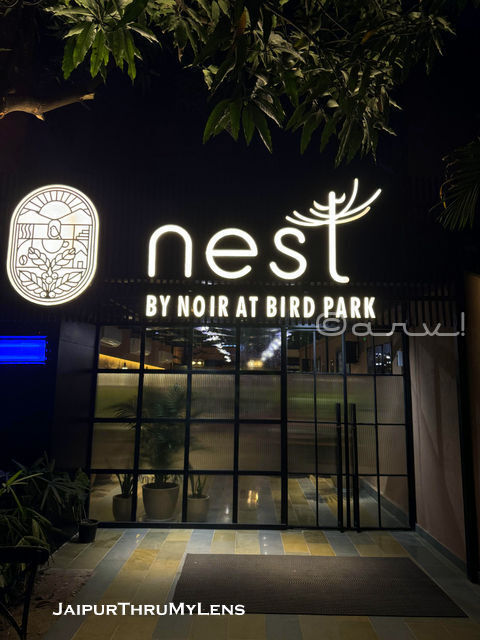
Jaipur’s Amanishah Pumphouse in Amanishah Nala Dravyawati Bird Park
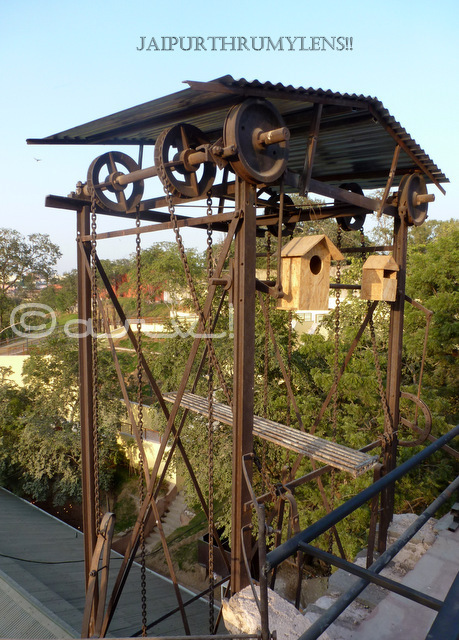
The main pump in Amanishah was installed in 1891 AD. The boiler, manufactured by Babcock & Wilcox in the UK, was commissioned in 1911 AD. The coal shaft and lift shaft are now part of the cafe’s decor.
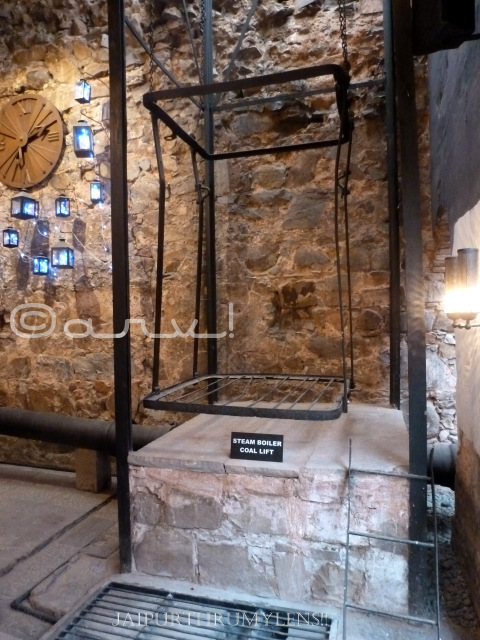
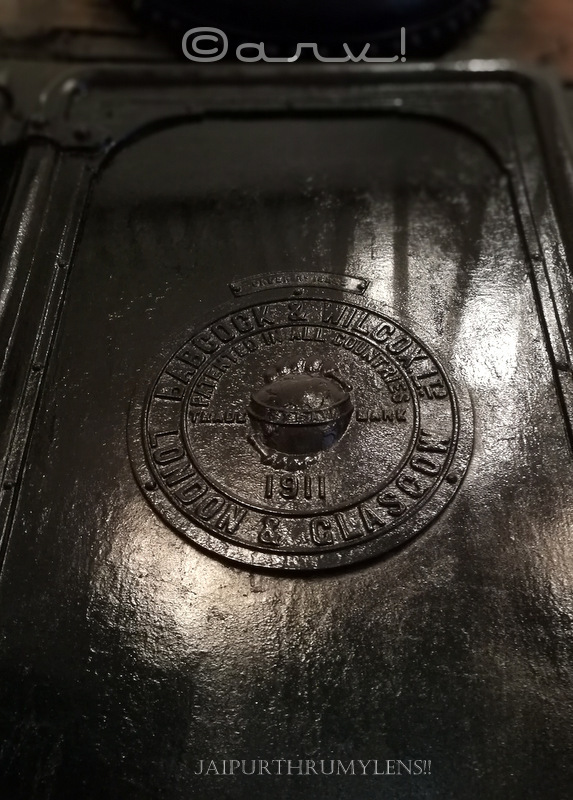
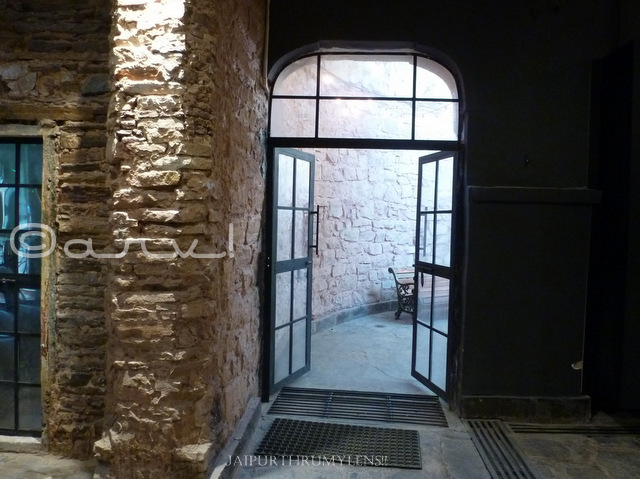
Dravyawati Bird Park cafe connects with the Pump House Museum. There is a separate entry too.
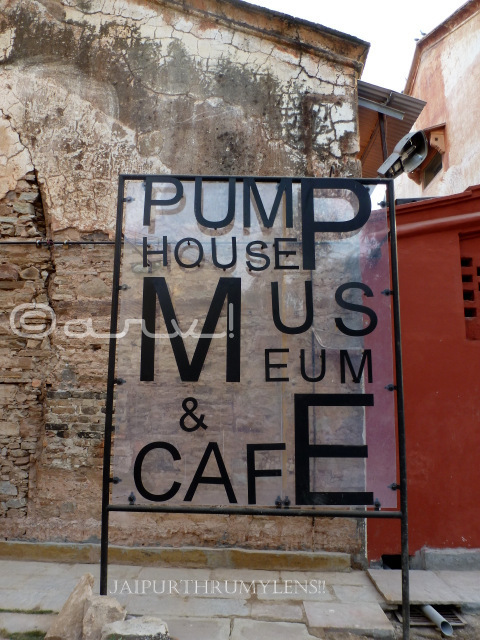
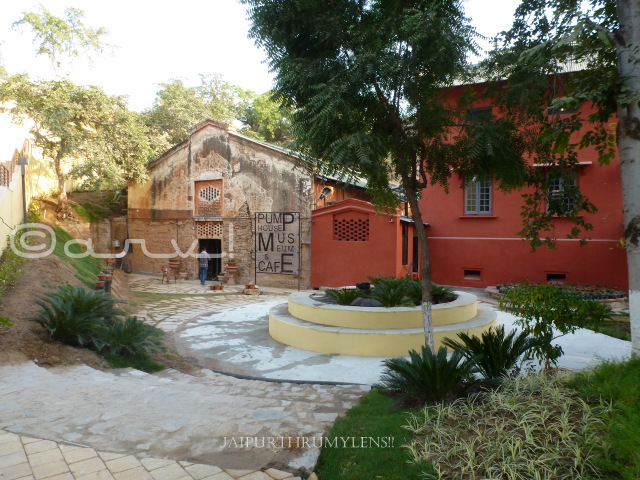
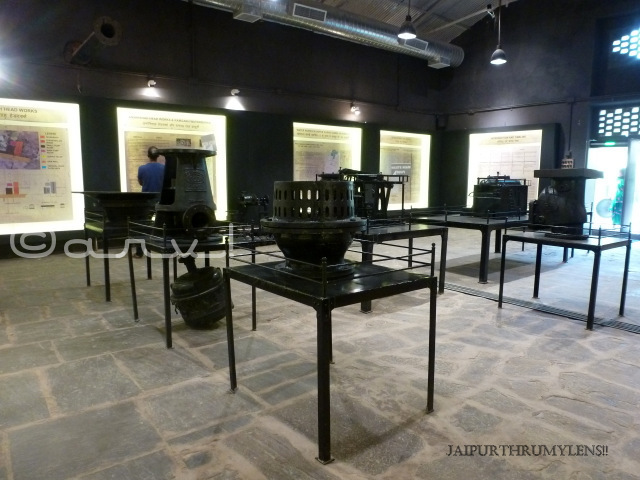
Miniature models of Amanishah water work machinery are on display along with an information board depicting the history of water supply in Jaipur state. The Pump House museum is small but a great attempt to showcase its history. Anyone interested in the history of Jaipur must visit this site for infographics. I can’t think of a better way to do this place.
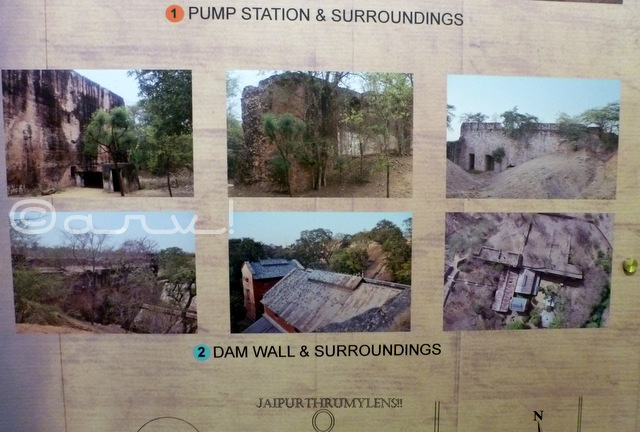
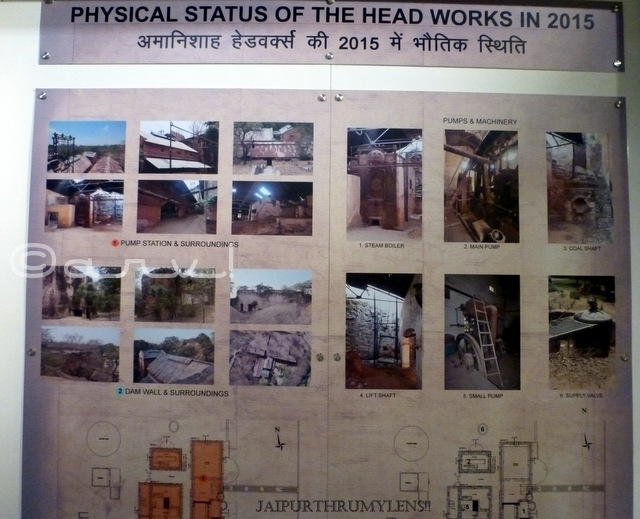
Dravyavati Riverfront is also part of the Bird Park. The project is still under construction as of 2018 and will take months to complete.
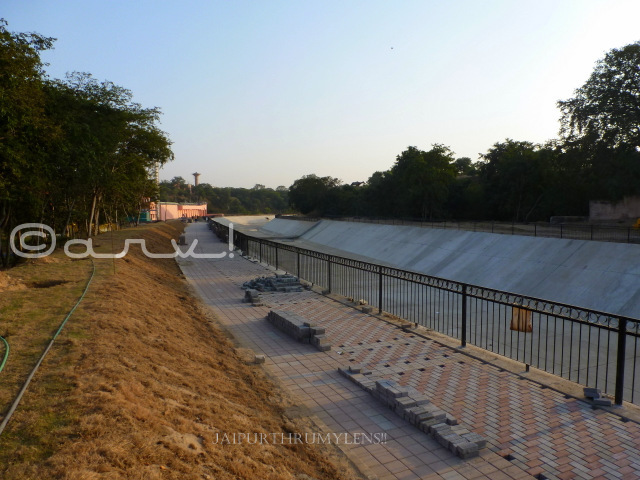
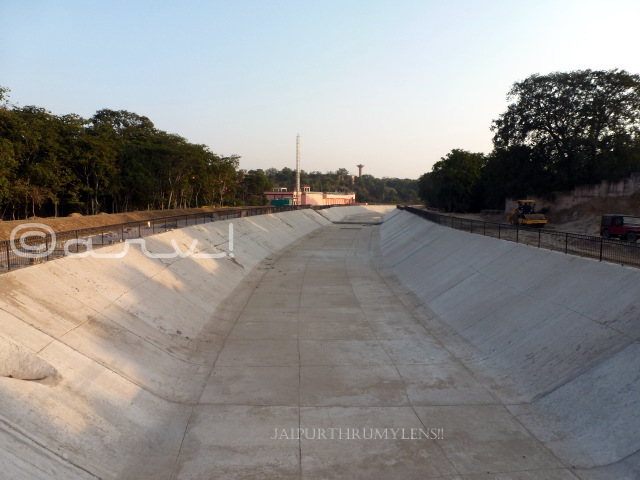
I’m sure a new park will definitely provide residents with a good option to get some fresh air and stretch out. Parks like these are popular among couples in Jaipur.
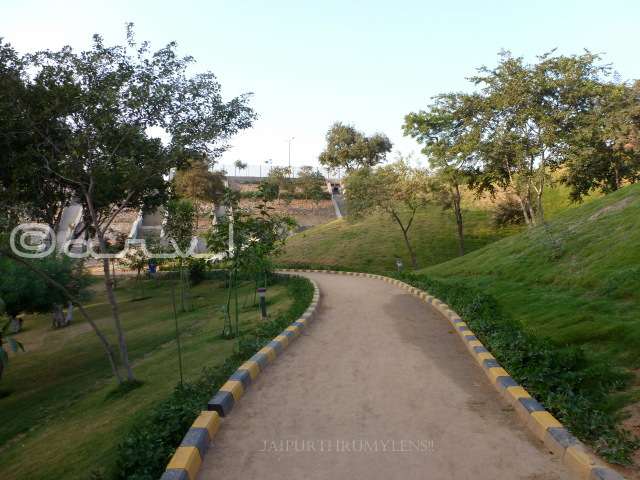
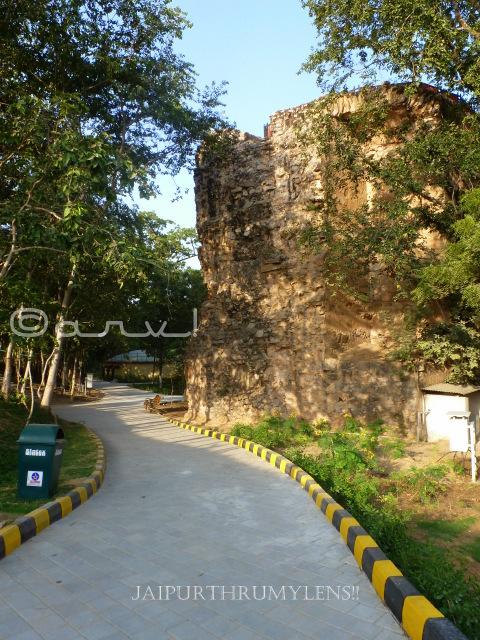
There are other questions that I find difficult to answer. Given the fact that these parks attract people from all walks of life, a cafe with a pricey menu will be difficult to run. Instead, an affordable eating option like Masala Chowk would have been a better choice.
Read: What Makes Jaipur’s Masala Chowk So Popular?
Stay updated via Facebook, Twitter, Instagram
Check out other posts on Flora and Fauna in Jaipur
The park area is quite small, a large part of which is not on a flat level. The authorities should not choose random names like a bird park when there are no birds in the plan. This can be developed as a great place for bird watching in Jaipur as this is the only bird park in the Pink City. JDA is hoping that water and trees will attract migratory birds. Migratory birds can be spotted from October- February in water bodies near Jaipur like Chandlai, Barkhera, and Sambhar; but what about the rest of the year? The name Bird Park is surely misleading.
Dravyavati Bird Park Entrance Fee
Dravyavati Bird Park Entry Fee is currently free of cost.
What are your thoughts on repurposing an old site for the benefit of the public at large? Do you feel that renovating or tempering an old site ruins its essence?
Discover more from JaipurThruMyLens
Subscribe to get the latest posts sent to your email.
 JaipurThruMyLens
First of all , many native Birds like sparrows , pigeons , myna , crows , etc are always there , it depends on what time u visit there … Migratory birds appear when it’s time and u can also spot some peacocks during monsoons and even in other seasons …
LikeLiked by 1 person
Thanks for an update. Using the word bird does raise the expectation which is not in line with what one finds. I guess the ones you describe can be found in any park (whereever there are trees). Thanks for the update, once again.
LikeLike
I read your article about. Which is impressive. I can’t say how much I love to read it, your information is 100% original, and I appreciate your work.
LikeLike
Thanks
LikeLike