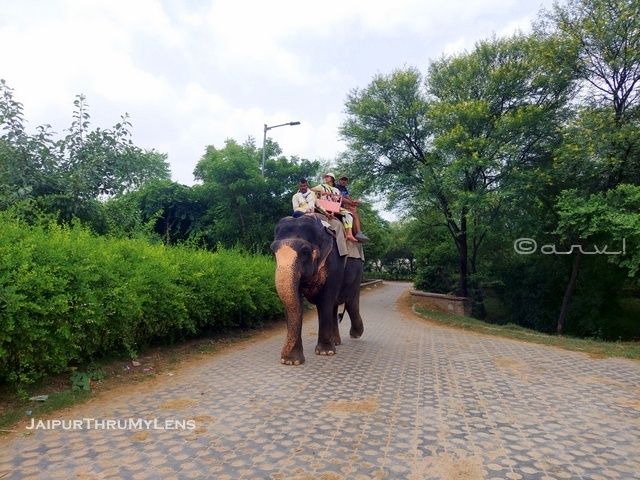
Elephant rides at Amer Fort have long been one of the most sought after and photographed moments of Jaipur trips: but that image is changing. A tour operator from Moscow reached out to me recently; her group was visiting Jaipur and wanted to experience Hathi Gaon, the elephant village near Amer, but without the ride. Her expectation was an honest interaction with the elephants. Simple enough, one would think. But when she started calling operators in elephant sanctuary for prices and other details, she hit a wall of confusion: wildly varying rates, vague descriptions, and no clear picture if the Hathi Gaon elephant experience was ethical. That conversation is what prompted this blog post: a straightforward guide to Hathi Gaon, the ethics of elephant tourism in Jaipur, and what you can actually expect when you get there.
- A comprehensive 2026 review of Hathi Gaon – Jaipur Elephant Village
- Hathi Gaon | The Elephant Village in Jaipur
- What to Expect: Activities at Elephant Village Jaipur – Feeding, Washing, & Riding
- Is Hathi Gaon an Ethical Elephant Sanctuary? Ethical tourism and elephants
- The concept of Ethical elephant sanctuaries and Its meaning
- Elephant Village Jaipur Review | The Ethical Treatment & Tourism
- Elephant rides in Jaipur and PETA
- Elephant Park in Jaipur| Does it exist?
- A case of Elephant Festival in Jaipur | Elephant Parade
- A Modern Perspective – The Shift Toward Ethical Interaction
- Why Many Travelers are Skipping the Ride and Elephant Activities in Jaipur?
- What are alternatives to elephant experience? Animal Friendly Activities in Jaipur
- Things to Know Before Booking an Elephant Ride
- Summary
A comprehensive 2026 review of Hathi Gaon – Jaipur Elephant Village
I’m covering updated ticket prices, timings of elephant village Jaipur, and an honest look at the ethical concerns surrounding elephant activities in the Jaipur elephant village. A perspective on the new concept of Ethical elephant sanctuary in Southeast Asia and its connotations is also discussed in this blog.

Hathi Gaon | The Elephant Village in Jaipur
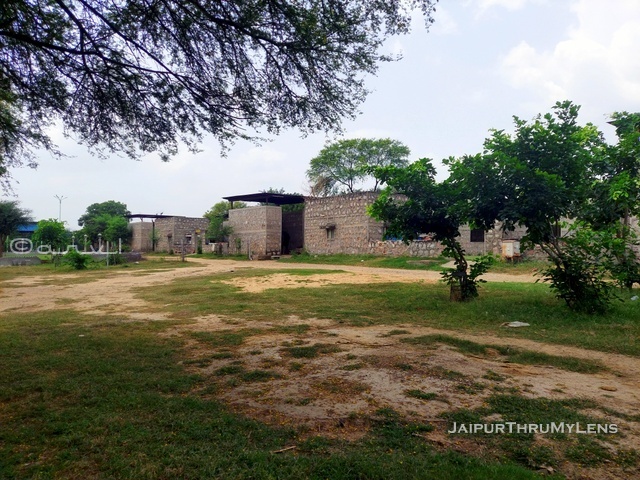
What is the Elephant village in Jaipur all about? The elephant village or elephant park in Jaipur as some people mention is also called Hathi Gaon by the locals. This is a one-of-a-kind village for elephants. The elephant village in Jaipur is spread over a territory of 30.5 hectares. This has been developed with the joint efforts of the Rajasthan Forest Department, Jaipur Development Authority, and Rajasthan Tourism. The village houses elephants and the Mahouts along with their families. According to present information, the elephant shelters called “Thaans” or Haathi Thaans have been constructed as per the norms laid by the Ministry of Environment, Forest, and Climate Change. The elephant village in Jaipur is maintained and managed by the Elephant Welfare Society. An artificial pond is also part of the elephant village in Jaipur.

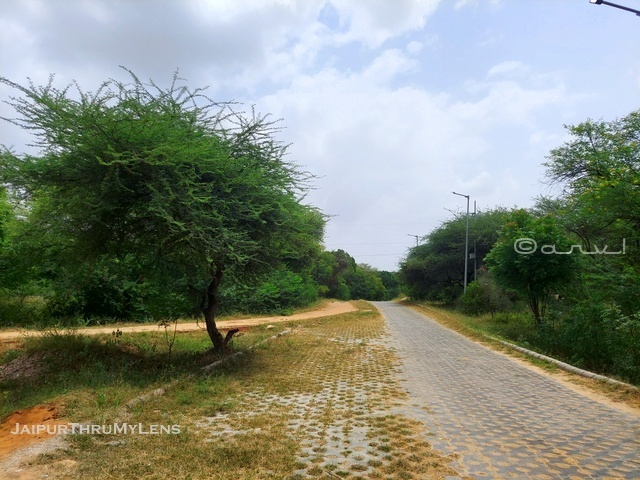
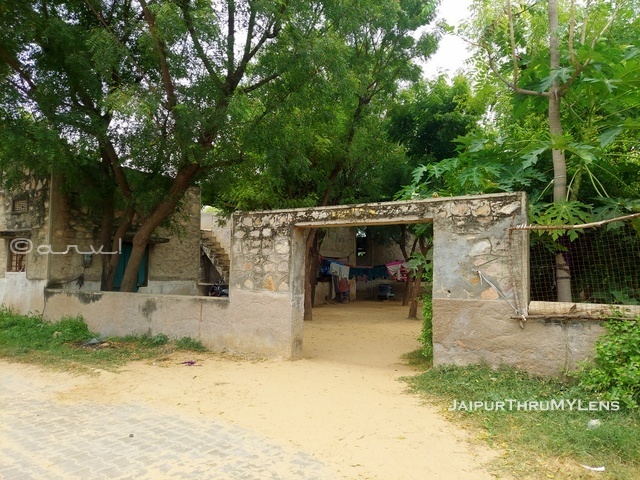
The Village includes exclusive space for the Mahaout family and their elephants. This village is not far from Amer Fort. It seems like a well-thought-out and planned space for elephants and their caretaker on a broad level. Here are a few pictures from the village.
Kaccha Road or unpaved Pugdundee has also been constructed in the village for the comfort of elephants. Instead of roads, cement blocks have been used to allow the movement of motor vehicles.
What to Expect: Activities at Elephant Village Jaipur – Feeding, Washing, & Riding
Some of the activities that companies and individuals are engaged in at the Elephant Village in Jaipur are as follows:
- Elephant rides
- Washing of elephants
- Feeding the elephants
- Elephant painting
All these activities can be availed post-noon every day at Hathi Gaon. The original concept of Hathi Gaon was to support the Mahaouts and elephants. In reality, many travel companies are operating at Hathi Gaon. While the rates for elephant activities are fixed by the society run by the Mahouts or elephant owners, the world operates in a different way.

Is Hathi Gaon an Ethical Elephant Sanctuary? Ethical tourism and elephants
There are many opinions when it comes to ethical tourism, elephants, and Hathi Gaon Jaipur. Everyone has a different idea about the ethical treatment of animals and cruelty to animals. For most people sensitive to the ethical treatment of elephants, riding an elephant is an absolute no-no. A small percentage of travelers are okay with riding an elephant in some situations like elephants in wildlife sanctuaries in the natural environment; elephant sanctuaries or other types of institutions that target tourists are an absolutely no-no for such travelers.
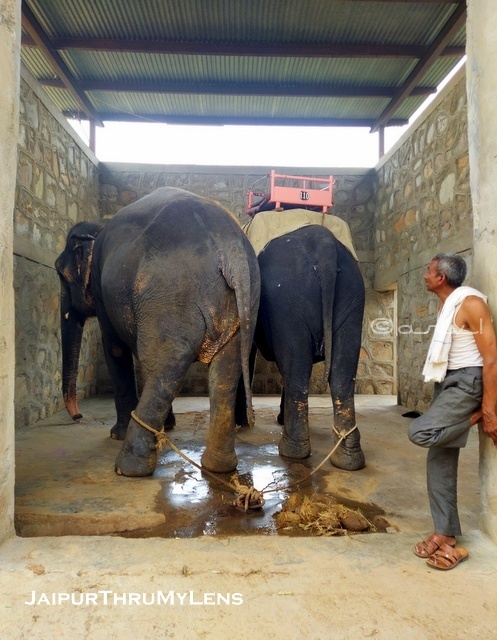
A large number of travelers feel elephant activities are part of unethical tourism because elephants are kept in captivity. In general, elephants in captivity are unacceptable. Here is a picture from Hathi Gaon, Jaipur. The picture is self-explanatory.
The concept of Ethical elephant sanctuaries and Its meaning
There is a new concept of ethical elephant sanctuaries in Southeast Asia, especially in Thailand and Cambodia. The USP of ethical elephant sanctuaries is no contact with elephants. This means no riding, no washing, no painting, and no feeding. This is a new tourism initiative. Some even claim no photography near elephants. The opinions are divided. The underlying idea is to enable elephants to live in their natural habitats and no human intervention.
Elephant Village Jaipur Review | The Ethical Treatment & Tourism
Even though The elephant village or Hathi Gaon was meant to house the Mahaouts and elephants; Many tourism & travel companies have established their offices/setups in the complex. Search online for elephant activities in Jaipur, and you will find many options with company names with “Ele” prefixed. None of these brands or companies are owned by elephant owners. The packages being sold range from Rs 1200 to Rs 5500 per person. The scope of elephant activities includes elephant rides, feeding elephants, painting elephants, washing elephants, and lunch.
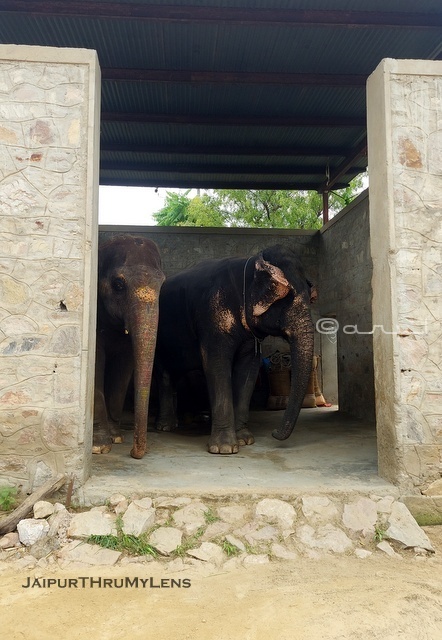
If the definition of ethical treatment includes not keeping elephants in captivity, all or any of these elephant activities would not have been possible. It would have meant that elephants living in the natural environment, the Jungle! I won’t undertake any of the elephant activities in Jaipur because I don’t support such tourism initiatives based on elephants or any other animals. However, this is my personal choice. Everyone has the right to their own opinions. I have shared pictures from the elephant village in Jaipur so you can form your opinion.

Elephant rides in Jaipur and PETA
Elephant rides in Jaipur are available at these two places:
- Amer Fort
- Elephant Park Jaipur/ Elephant Village Jaipur

PETA has been advocating a complete ban on elephant rides in Amer Fort and Hathi Gaon elephant village Jaipur for many years. The matter is pending before the court. As per PETA, more than 100 elephants are held captive. The elephant rides and activities violate the following laws of India:
- Wild Life Protection Act, 1972
- The Prevention of Cruelty to Animals Act, 1960
They also argue using elephants for rides and activities violates the Rajasthan government’s order mandating the requirement of permission when elephants are used in any film, advertisement, sport, event, exhibition, fair, or any kind of performance that includes rides. Read Elephant Ride in Jaipur at Amer Fort
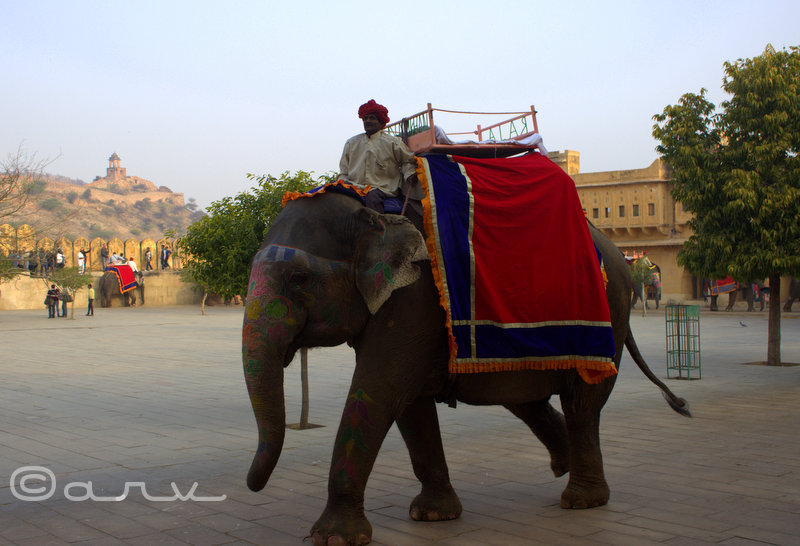
Read the complete post by PETA on elephant rides in Amer Fort– Read this before you go on elephant rides in India and also Help End Cruel Elephant Rides at Amer Fort
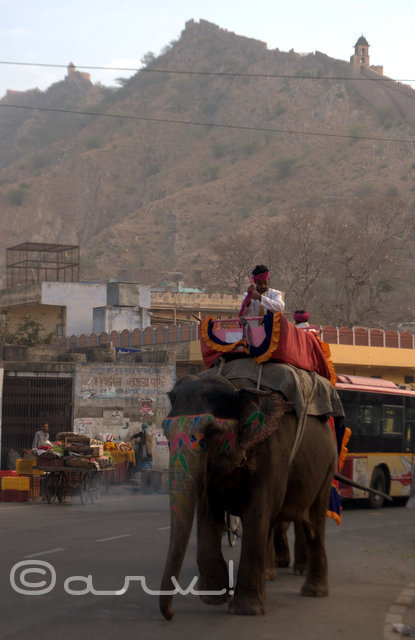
PETA is working hard to put the suffering of elephants at an end involving activities in elephant village in Jaipur and elephant rides in Amer Fort. Unfortunately, the matter is still pending for closure at the high court. There is little doubt that this benefits certain sections of society. The PETA has advocated using new-age transport methods like electric cars. I have already featured a picture of this in my previous post on Amer Fort.
Elephant Park in Jaipur| Does it exist?
Many people search online for an elephant park in Jaipur. Is there a park in Jaipur with elephants? There is no elephant park in Jaipur. Commercial interests have created the online concept of an elephant park. In reality, there is an elephant village in Jaipur; a few “enterprising” people have created a separate space or enclave in the village terming it an elephant park in Jaipur. A few even claim to be an elephant sanctuary in Jaipur. The truth is sanctuary is supposed to create a safe zone for the animals. In reality, the so-called term “sanctuary” is a misnomer. How can commercial activity take place in an elephant sanctuary? I will leave this for you to decide.
A case of Elephant Festival in Jaipur | Elephant Parade
The world has found unique ways to make money in the name of saving/protecting animals. This is one such case related to elephant; a reason why I’m writing about it here. A couple of years ago, an elephant festival in Jaipur was organized by a UK-based company claiming to be a social enterprise or NGO in disguise. They displayed large painted and adorned elephant statues in Jaipur at the Albert Hall Museum. This elephant festival in Jaipur was called the Elephant Parade. The company claims to donate 20% net profit of these elephant statues to elephant conservation organizations. It is a classic case of using a good cause for profit maximization. Capitalism at its best. You can read more in this article – Elephant Parade in India
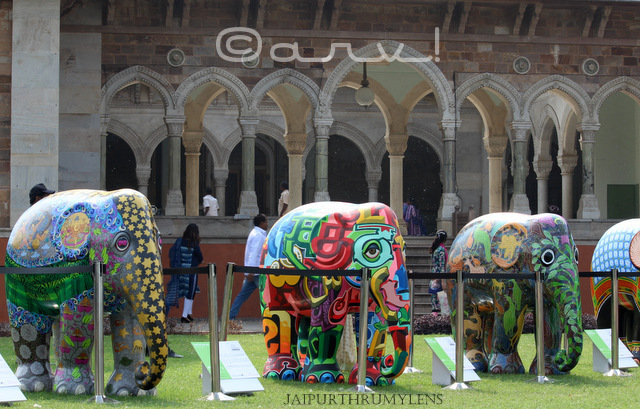
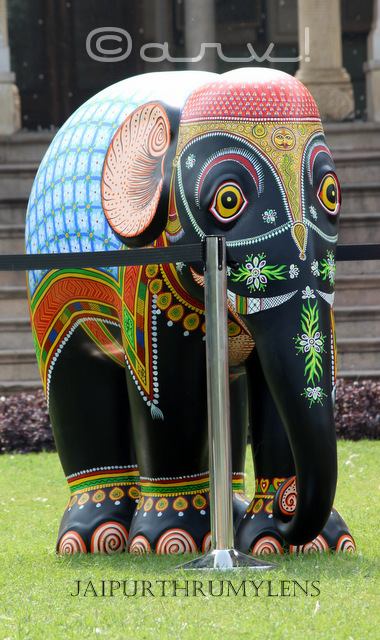
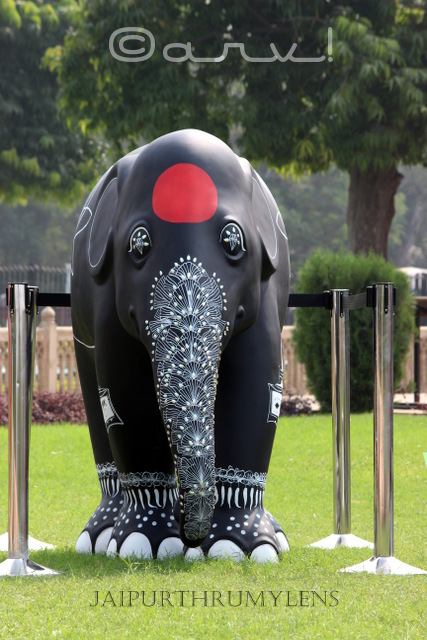
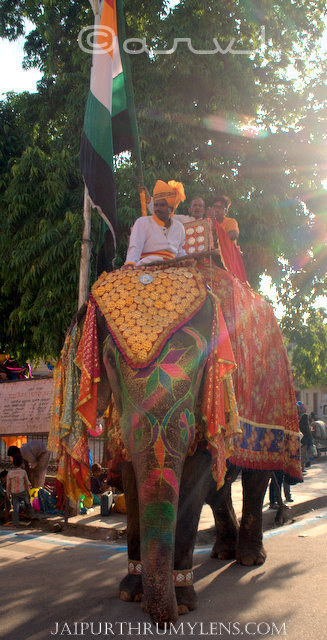
Other than the Elephant Parade, a popular elephant festival in Jaipur was organized for many years. Lately, this elephant festival in Jaipur was discontinued over the course of the last few years owing to opposition from animal welfare groups. The festival has been modified and not held in its original form. Here is a picture of an elephant from a traditional festival in Jaipur – Janmasthami.
A Modern Perspective – The Shift Toward Ethical Interaction
While the tradition of riding elephants is deeply rooted in Jaipur and India’s history, the thinking around animal welfare is changing. As travelers become more aware of the conditions elephants face, many are choosing not to engage in elephant activities in Jaipur.
Why Many Travelers are Skipping the Ride and Elephant Activities in Jaipur?
Increasingly, travelers are choosing not to do the famous elephant ride at Amer Fort and also avoid places which run commercial activitis related to elephants. A few popular places are Hathi Gaon and Dera Amer.
- Physical Health
Many are worried about the conditions under which elephants work; it takes toll of their health.
- Authentic Connection
An elephant ride is a passive experience which many choose to avoid. People are looking at authentic connections during their travel.
- Captivity
Many choose not to pay and engage in an experience which force elephants to stay in captivity.
Some people are considering ethical interaction with elephants like walking with elephants. This is something that is quite popular in some Asian countries. Some “smart” businesses have adapted to this changing landscape and now promote their ventures on humatarian grounds like a place where one can interact with rescued elephants. But this doesn’t cut with “intelligent” travelers as they understand how everything works.
What are alternatives to elephant experience? Animal Friendly Activities in Jaipur
Some of the animal friendly activities in Jaipur to consider are:
- Bird watching in Mansagar Lake – Read Great cormorant at Mansagar lake
- Bird watching in Barkheda – Read Pelicans at Barkhera
- Hiking in Jaipur hills to experience flora and fauna in Jaipur
- Jhalana Leopard Safari
Things to Know Before Booking an Elephant Ride
For those planning a visit to the Elephant Village (Hathi Gaon) specifically for rides, understanding the logistical flow and the animals’ daily schedule is essential for a smooth experience.
Timing and Availability
While the Hathi Gaon Elephant village is open throughout the day, elephant ridesusually do not begin until the afternoon. For detailed information related to timings, continue reading.
The Practical Logistics
- Ticketing – Unlike the fixed government rates at Amer Fort, rides at the Elephant Village are often negotiated and in some cases vary due to rates of tour comapnies.
- Duration – A standard ride within the village grounds typically lasts between 20 to 30 minutes; do note that some sections of the Hathi Gaon are not well maintained.
- Capacity – Elephant ride operators limit the seating to two adults per “howdah” or carriage.
Elephant Village Jaipur Ticket Price
Currently, the elephant village ticket Price for Indian visitors is Rs 100 per person and the elephant village Ticket Price for overseas visitors is Rs 350 per person. These are just the entrance charges. The charges for elephant activities in Jaipur Hathi Gaon are in addition to the above. The charge for the elephant ride in the elephant village in Jaipur is Rs 3500 (October 2023)
| Category / Activity | Rate for Indian Visitors | Rate for Foreign Visitors |
| Official Entry Fee | ₹50 – ₹100 | ₹300 – ₹400 |
| Feeding Experience | ₹500 – ₹1,000 | ₹1,500 – ₹2,500 |
| Bathing & Scrubbing | ₹1,000 – ₹1,500 | ₹2,000 – ₹3,000 |
| Walk with Elephant | ₹1,500 – ₹2,500 | ₹3,000 – ₹4,500 |
| Full Day Interaction | ₹2,500 – ₹4,000 | ₹5,000 – ₹7,000 |
Good to know | Government vs. Private
The “Entry Fee” is paid at the Forest Department gate near entrance of Hathi Gaon. All other activity costs are paid directly to the Mahouts or owners/caretakers of elephant or private sanctuary commercial tour operators.
Elephant Village Jaipur Timings
| Time | What to Do | Why |
| 9:00 AM – 10:30 AM | Visit for bathing & feeding (if arranged privately with Mahouts) | Cooler temperature, elephants are more relaxed before Amer Fort shift |
| 12:00 PM – 2:00 PM | Avoid or use for arrival | Most tour groups away for lunch, but elephants still returning from Amer |
| 1:00 PM onwards | Rides, feeding, washing, painting | Elephants have returned from Amer Fort and had time to rest |
Official timings listed by Hathi Gaon are 12 PM to 6 PM. Early morning visits before 11 AM are possible but typically involve direct arrangement with Mahouts or tour operators.
Summary
Hathi Gaon is many things at once: a home for Mahouts and their elephants, a space shaped by genuine care in its original design, and increasingly, a commercial hub where tourism interests and animal welfare don’t always align. The terms “elephant sanctuary” and “elephant park” that you’ll find on online portals and travel websites are largely marketing. The reality on the ground is more.
If you visit, go with clear eyes. Know what you’re paying for, who you’re paying, and what that money supports. And if you choose not to go at all, that’s a valid choice too. The elephants of Jaipur have been part of its story and history for centuries. How that story continues is, in small part, shaped by the choices travelers make today. Personally, I don’t advocate animal tourism.
Discover more from JaipurThruMyLens
Subscribe to get the latest posts sent to your email.

 JaipurThruMyLens
That’s a good, comprehensive, breakdown, Arv. And I’m completely with you on your feelings towards the exploitation of animals.
LikeLiked by 1 person
I’m glad this post resonated well with you.
LikeLiked by 1 person
Definitely.
LikeLiked by 1 person
Arv, I had no idea about this Elephant village. I completely share your sentiments about animal-based tourism, where these innocent creatures are being exploited for the sake of human greed. It’s heart-wrenching to see them suffer just for our financial gain.
LikeLiked by 1 person
Sarmistha, it is just one instance. In the past, the hotel lobby has created pressure on government to open certain zones in forest in monsoon. Typically, wildlife sanctuaries are closed during monsoon for safaris. This results in idle hotel capacity because tourists don’t visit. Animals across the world are used for generating revenue. Wildlife sanctuaries are a good example.
LikeLiked by 1 person
Yes, you are absolutely correct Arv. If I am not wrong, the monsoon closure guidelines have been removed from a few Wildlife Sanctuaries now. Wildlife tourism makes a huge amount of money. With the growing influencers on social media, anyone and everyone has access to pictures of the animals in the forest and they all rush to visit the National Parks and Sanctuaries with the hope of seeing the tiger or leopard having no respect for the forest or its dwellers.
LikeLiked by 1 person
Exactly. WLS have ceased to be home to wildlife; they are money spinners. Therefore, money dictates the guidelines. This is what a lot of wildlife lovers have been saying.
LikeLiked by 1 person
I hate to see elephants abused through riding or other practices so I’m glad you’ve highlighted the concerns about the rides at Amer Fort and elsewhere. And this village doesn’t look much better in terms of how the animals are treated.
But I do love elephants and I understand the tradition of their captivity and use as working animals in Asia is hard to break. A few years ago we visited a sanctuary for them in Laos very similar to the ones in Thailand that you mention – in fact it is run by a Thai.
LikeLiked by 1 person
Thanks for sharing this article, I will definitely read it.
As you pointed out, the connection with animals is age old and it cannot be viewed from simply a very modern perspective. At the same time, we need to ensure that animals are not abused or mistreated. It is definitely not good practice to view these animals as “cash cows”.
LikeLiked by 1 person
I recently went to Jaipur in March 2025 and was offered to see Elephants on the way from Delhi. I was not sure about the name but thank you for telling this to me. I understand it is called Elephant Village. I was looking to write a review of them.
LikeLike