My adventures with the camera started many years ago with an SLR. I shifted to the digital super-zoom with the arrival of digital cameras. My initial experience with a DSLR was when a friend insisted I take his camera on a high-altitude trek in the Himalayas. He had just shifted back from Australia and mentioned he wouldn’t require it for the next couple of days. Photography with the DSLR is a game-changer. It is a shift towards an artistic and creative side. You can do much more than simply click the shutter. Even though the super-zoom I was using possessed many creative controls but they were seldom used. A few months later I bought a DSLR. Landscape and architecture were my preferred subjects during the initial years. Street photography was an alien subject, then. Clicking pictures of people on the street was getting into an uncomfortable situation. Frankly, street photography is much more than clicking people but those are the kind of images we routinely get to see in the name of street photography. It wasn’t until 2-3 years ago, I started experimenting with street photography. One of the most significant motivations was going for street photography in Jaipur with other photographers on a photo walk.
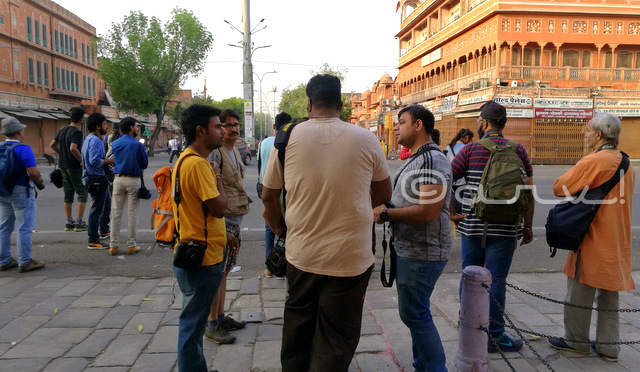
A photo walk with other photographers propels you to attempt something new and get out of your comfort zone; it also relieves you from many set patterns. I guess just one walk was enough to nudge me into street photography.
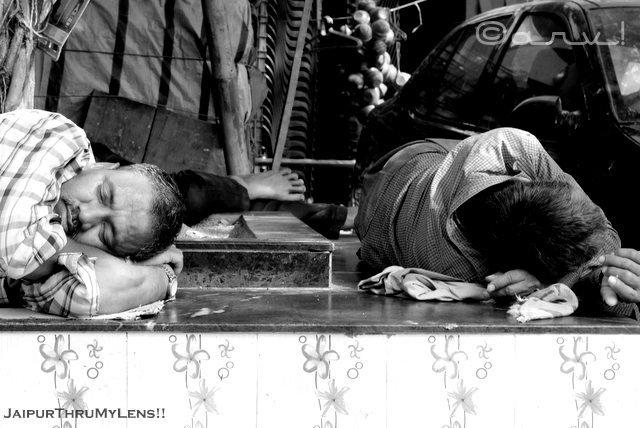
Another factor that aided me to stay on this path was I couldn’t go for excursions into woods quite some time. The only opportunity available for a long time was street photography. I experimented quite a lot during those months. After having undertaken street photography in Jaipur for almost three years, I possess many ideas to share. During my travels, I have undertaken street photography in India and abroad, and some of these ideas are universal in nature.
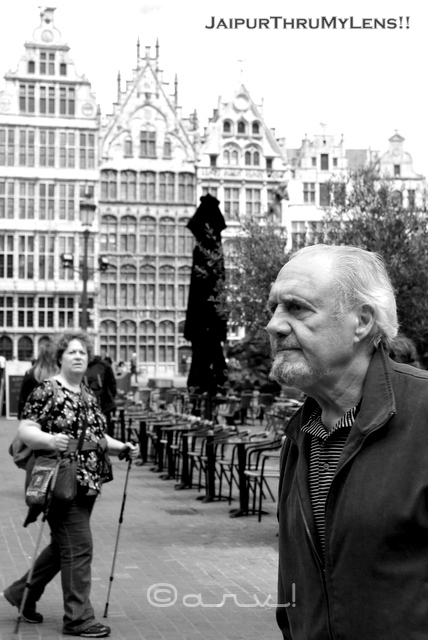
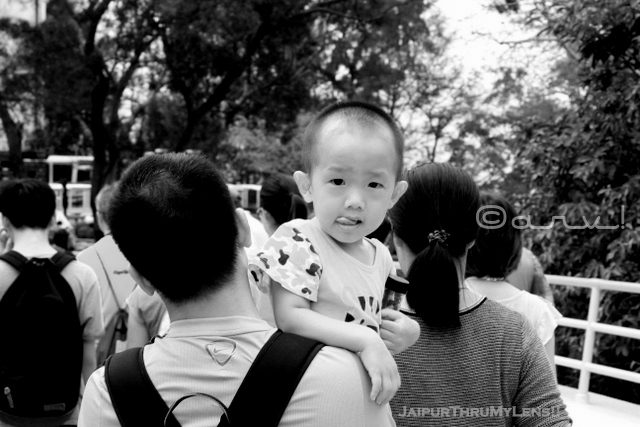
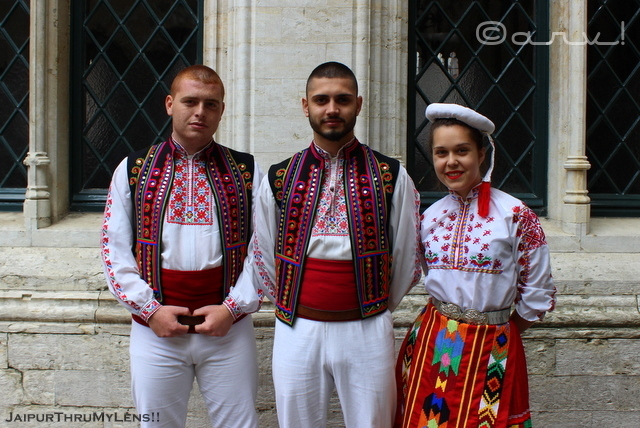
Street Photography In India
I have spent most of my time in Jaipur when it comes to street photography and therefore many of the techniques that I have acquired are based on my experiences in this city. However, I have also applied these experiences in other cities in India and found them to befitting.
What is street photography?
As mentioned above, most people think street photography consists predominantly of clicking people and portraits. To be honest, the subjects in street photography are not defined. People photography remains one aspect of street photography; a street scene represents another.
Street photography involves clicking pictures in public places. It is complex to define street photography, but most people know when they sight or come across one. Read more on the following picture in the old-world hair salon
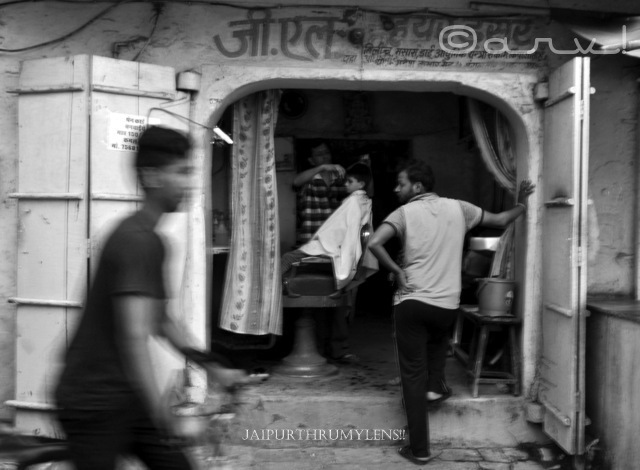
Generally, good street photographers are keen observers. Their captures possess notable visual elements and convey a lot more than mere pictures like stories, feelings or even raise questions. They freeze moments and present their version of “truth” or “reality.” Street photography is about documenting routine life.
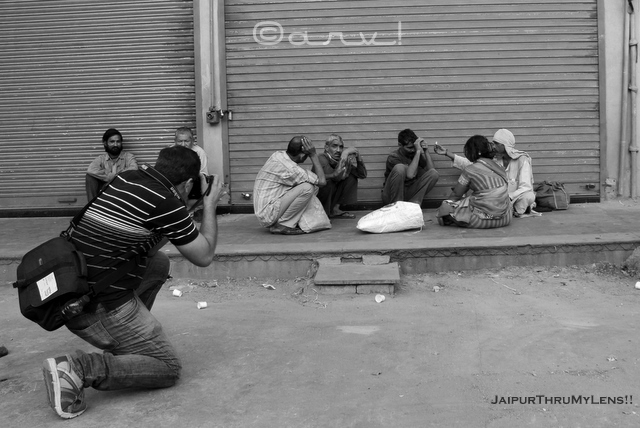
Is street photography all about candid Photography?
A significant question that pops up in the mind of most people is should street photography be candid? There are no strict answers. I have attempted both. Each has its own perspectives.
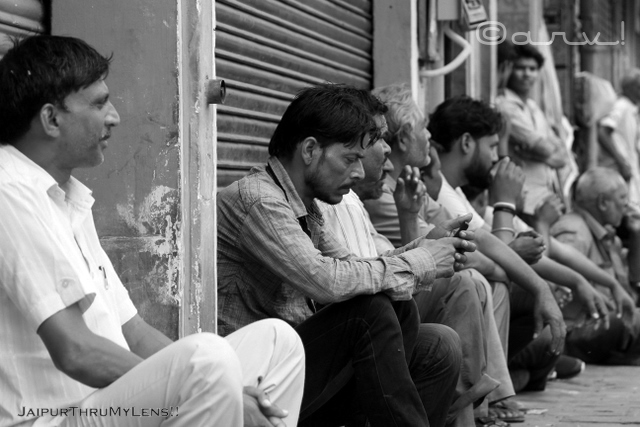
Candid photography represents art that can be perfected with practice and time. Some photographers admit despite attempting their hands with it for a long time, street photography is not their cup of tea. I think it is their truth and reality. I do have suggestions for such photographers. They should practice it with someone who is good at this art. This can be a turning point. The appropriate equipment is helpful. The telephoto often comes to the rescue. Regrettably, when it comes to street photography in Jaipur and elsewhere in India, it is not a solution. When you are photographing subjects in bazaars, and crowded places this kind of equipment doesn’t work in all situations. It is like using a tank in a street fighting where all you require is a semi-automatic rifle! You have to get your hand dirty and get close!
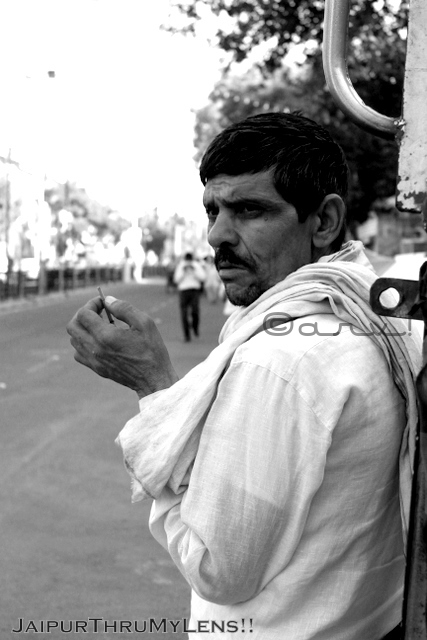
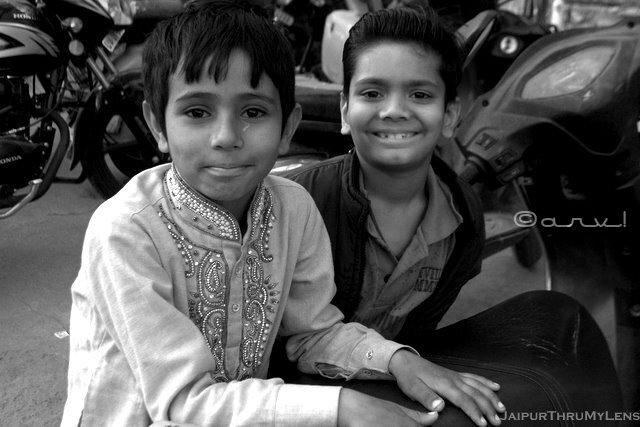
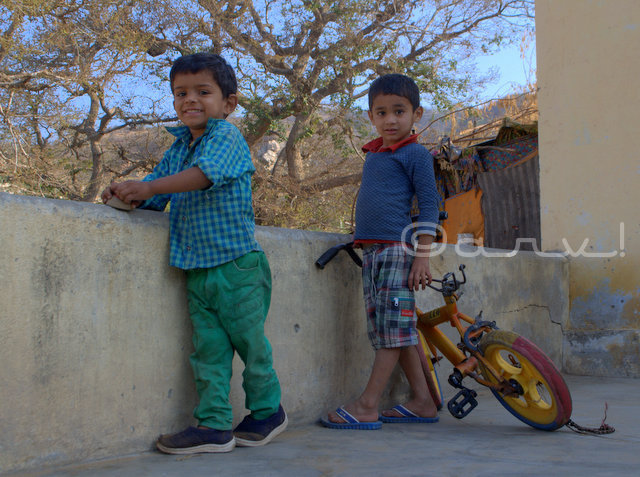
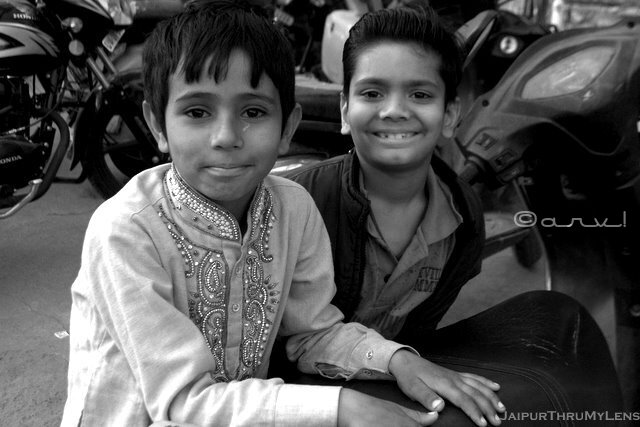
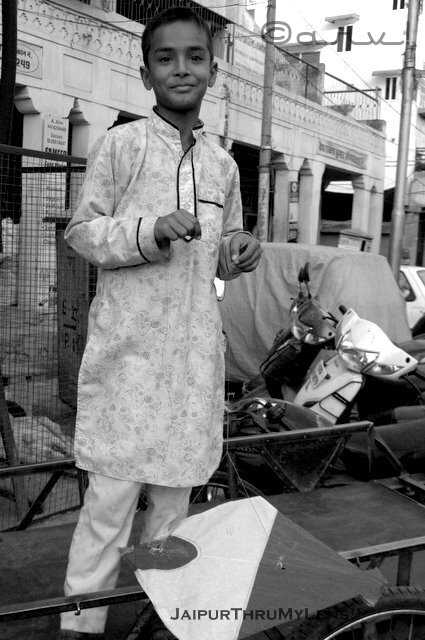
In many situations, when you seek the approval of the subject for photographing them, they are no more candid shots. Technically, we can’t call them candid because the subject is consciously aware that he or she is being captured. Like in this picture, the boy posed knowing he was being photographed. I clicked this picture during the Makar Sankranti festival in Jaipur- the festival of kites.
There are, of course, ways around this too which can be explained solely in practice because these are situational.
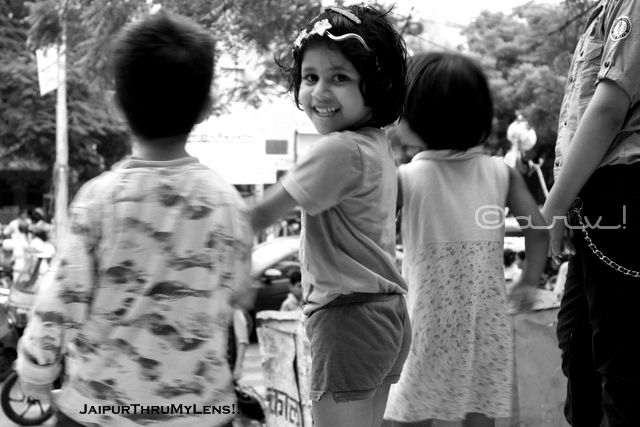
Street Photography Etiquettes- Should you seek permission from your subject?
An essential question that many western photographers face when doing street photography in India is whether to seek permission from the subject prior to photographing? It is not a straightforward answer. Unlike the west, we don’t have a legal framework to direct us. However, the ideal thing to do would be as follows. As long as you are not photographing a person or group of persons, you are free to click in public places. However, If you are clicking portraits, it is best to either seek approval. Some photographers take a different approach. They approach the subject and wait for some time with a camera in sight. Assuming that the subject is aware of the intention of the photographer, he waits for any adverse reaction. In case if he or she doesn’t notice any, they go ahead with photography. This approach works on the implied assumptions and many photographers feel this is not the right approach.
In my personal experience, having done street photography in other Asian countries and Europe, people behave differently owing to culture, customs, and legal framework. Most Indian people are thrilled to get their pictures clicked. There are techniques on how one can seek approval of the subject without asking for the same. Frequently, people ask me to click their pictures when I’m carrying a DSLR. There have been rare instances when I decided not to click pictures because the subject didn’t want me to do so. In such a case, respect and honor their choices. Be human. There will be times when your subject won’t object but he will be inquisitive as to why you are clicking his picture? Quell their curiosity with answers and respect their rights and choices.
Staging in street photography
Many photographers have resorted to shortcuts through staging the scene. One of the most celebrated street photographers in recent years who has been accused of staging is Steve Mc Curry. I have witnessed photographers paying money to locals to enact the scene during the Pushkar Fair. With thousands of photographers vying for a breaking picture, the temptation to take shortcuts is strong. One good photograph can earn professional photographers a whopping amount from media companies; they don’t mind paying a small “fee.”
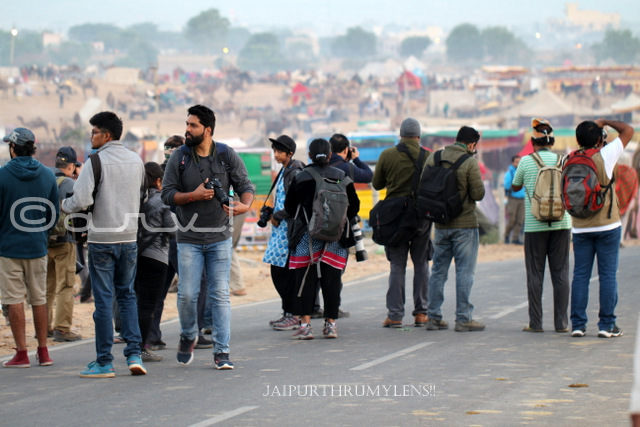
Unfortunately, this has spoilt locals who demand money from everyone including amateur and hobbyist photographers. I’m against staging because it is intended to fool people. In my opinion, the Indian street scenes are dynamic with too many things happening around. It presents many opportunities and therefore there is no need for staging. The fun with street photography is capturing unexpected moments.
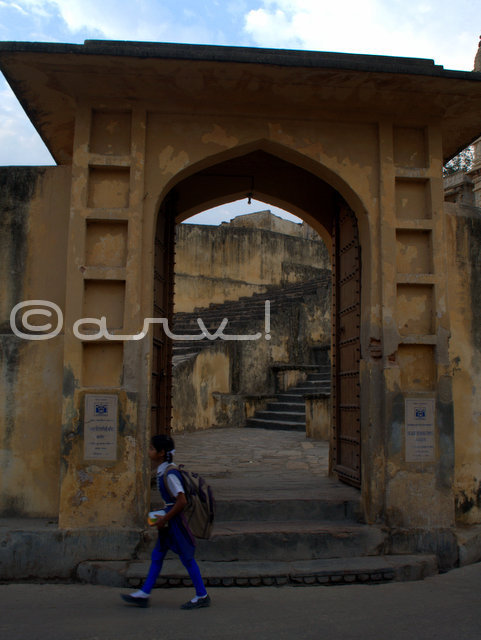
Street Photography in India – Guidelines and Ideas
- Talk to people and make them comfortable before you start pressing the shutter. If you don’t speak Hindi or the local dialect, it can be an issue. A local can help ease things for you.
- Most street vendors in India are poor but generous at heart. They will presumably never receive an opportunity to get themselves photographed. A noble gesture will be to develop the photo and hand over the prints to them.
- You’ll generate a lot of interest in what you’re up to when people see you with your camera. It is extremely likely that people will approach you with a curious look or request to click their pictures.
- Avoid using fill-in flash; this will help you to stay as discreet as possible.
- Don’t ask people to smile. Capture them with their natural pose to get the most authentic frame. Read the complete story related to the following picture in 11 seconds
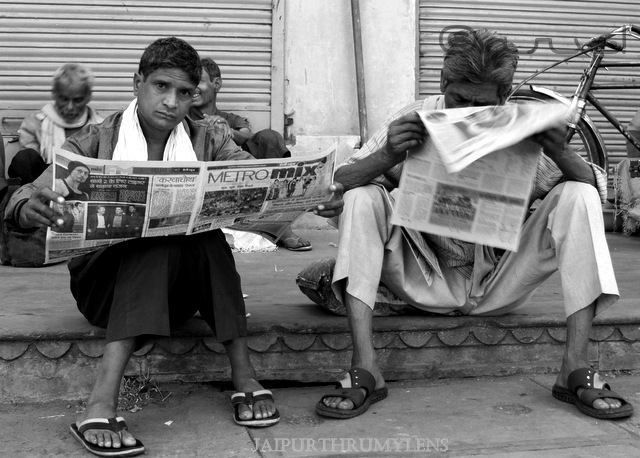
- Despite all the planning, it is likely that things won’t go your way because the Indian street scene is dynamic and varied. Accepting this will prepare you in a better way for street photography.
- The congested and action-packed street also implies that often you will end up with pictures having unintended strangers walking into the frame. There is nothing much you can do about it. One of the solutions is to click multiple quick shots. You won’t get much time in framing and freeze the scene on your camera. Be quick and spontaneous.
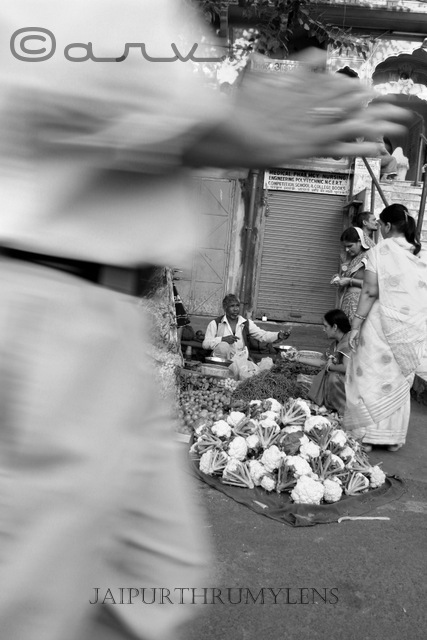
The “last-minute” guest walks into the frame - Telephoto or wide-angle lens? This is a frequent question. Each has its own advantage. From my standpoint, I prefer wide-angle because it captures much more unless you are into portraits. On the other hand, telephotos will allow you to focus on emotions. Street scenes are one of the most authentic ones that you can capture; make the most of them. I inevitably suggest you use the lens which you always do because it will allow you to adapt better. Using a new lens involves a learning curve. If you intend to use a new lens, practice for a couple of days before you travel for street photography.
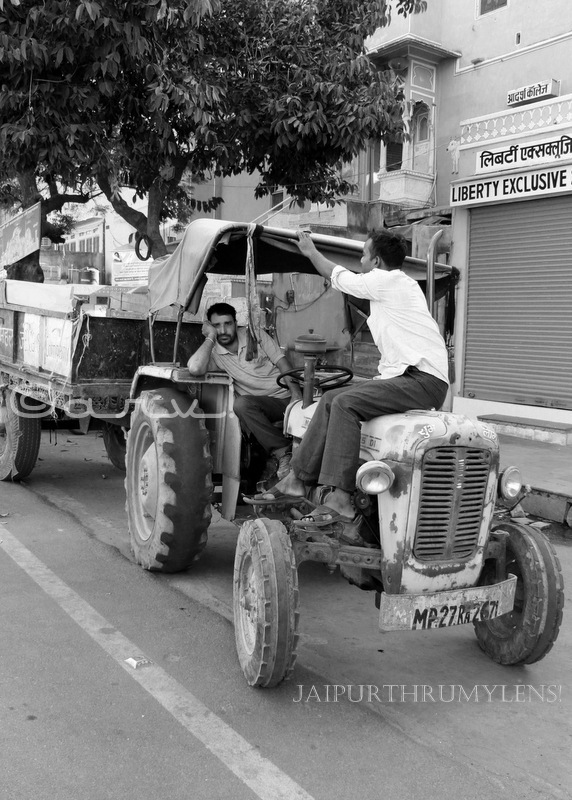
The wide angle allows you to show the atmosphere, surroundings, and mood. - Select a suitable location. Since you are traveling to a new location, there is no way you can comprehend the nuances of the place. A local can help you better than anything else. Sometimes, Google doesn’t have answers.
- Indian summer months are bad for photography due to excessive light. Although it is hard to generalize, April to June is best avoided in Jaipur and elsewhere in North India.
- Monsoon months characterized by the rainy season present a different challenge when it comes to lighting. July-September can be tricky, but it presents many unique opportunities. This is also when the festive season starts with festivals like Teej in Jaipur.
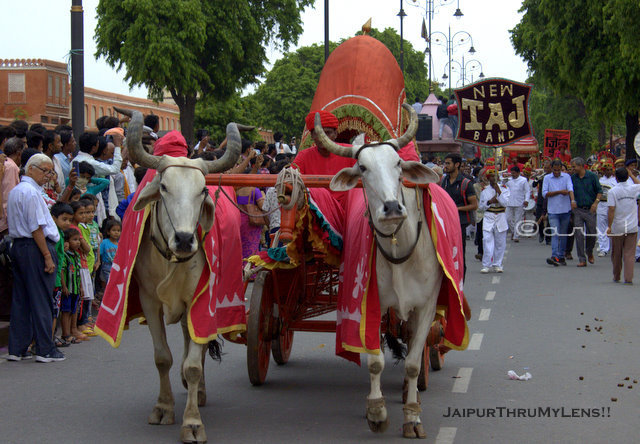
Color vs Monochrome in Street Photography
The opinion is divided among photographers on color vs black & white photography. Some photographers swear by the high-contrast monochrome shots. On the other hand, many street photographers want the pictures to be more realistic and therefore advocate color photography. There’s no right or wrong. You can choose what you find more conducive. I feel ultimately it is all about what one wants to depict and convey. Monochrome pictures convey emotions better than color photos.
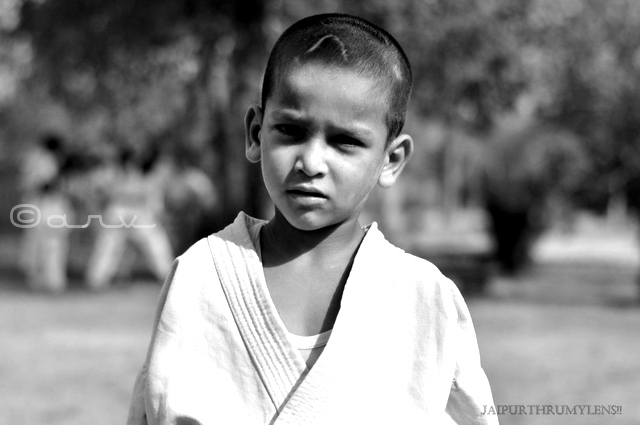
In many frames, color is the key and therefore monochrome doesn’t do justice like this shot.
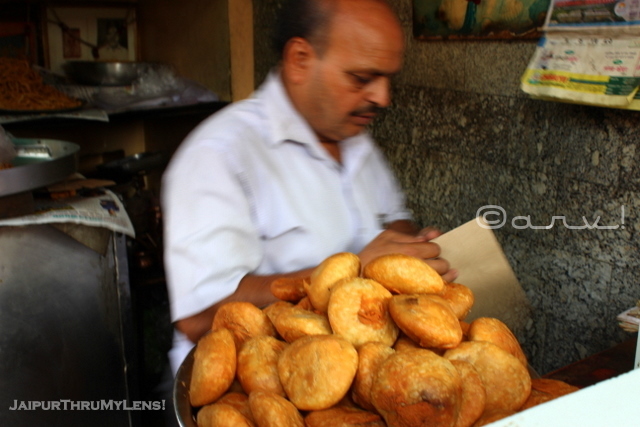
Like this blog post, I advocate using color and monochrome pictures based on the situation and mood.
Indian Street Photography Tips For Travelers & Photographers
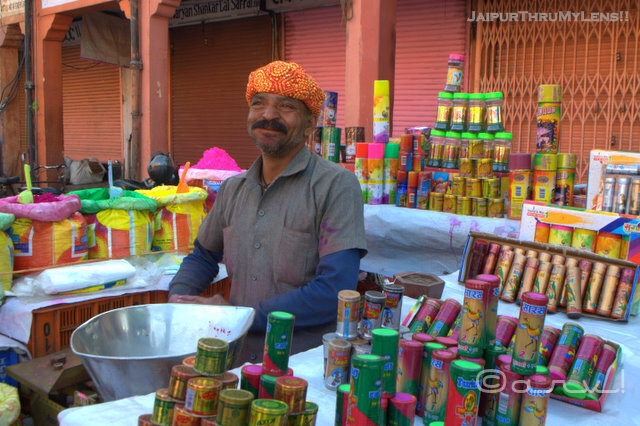
Indian streets are an assault on all senses – visual, olfactory and hearing. The streets are teeming of people with a variety of colors vying for attention. There is lots of noise and honking on the streets. One can find smells of all kinds from spices to garbage dumps. Across India, life is on the streets. Walking around Indian streets can reward you with many novel scenes and situations.
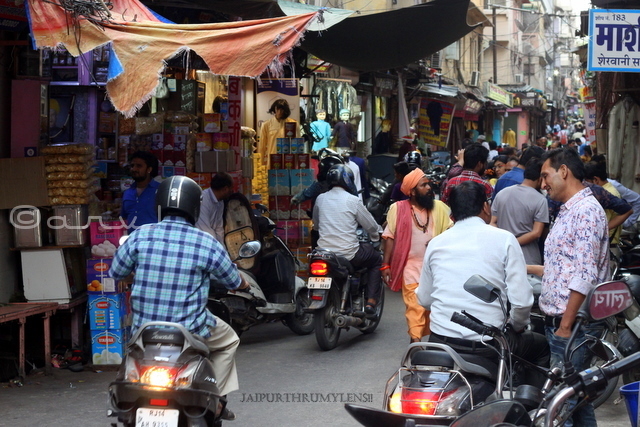
For first-time western travelers and photographers, Indian streets remains an overwhelming experience. Some travelers and photographers hate this aspect because they were clearly not prepared. Simultaneously, this is a gold mine for street photographers; they are spoilt for the choices. There’s so much life here to capture!
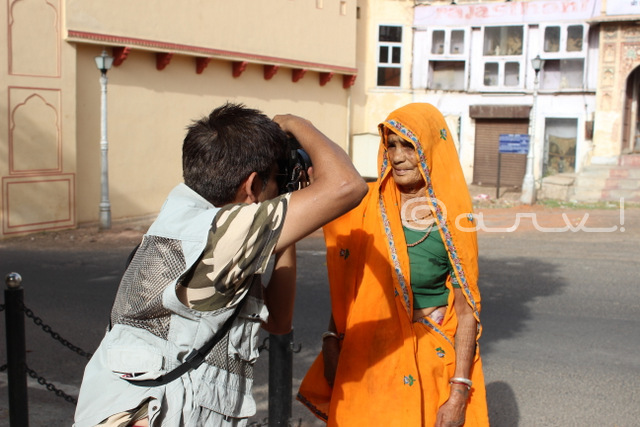
The best advice I can give on street photography in India to international travelers & photographers?
- Hire a local street photographer. You can never ace the experience of a local photographer who has been out photographing for years through all seasons. Considering the price you will pay for his services, you will derive much more value. He understands his city and culture better than you do and can help you find the best scenes and locations.
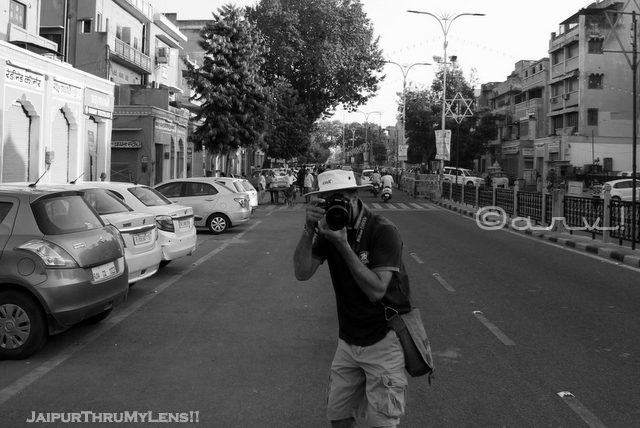
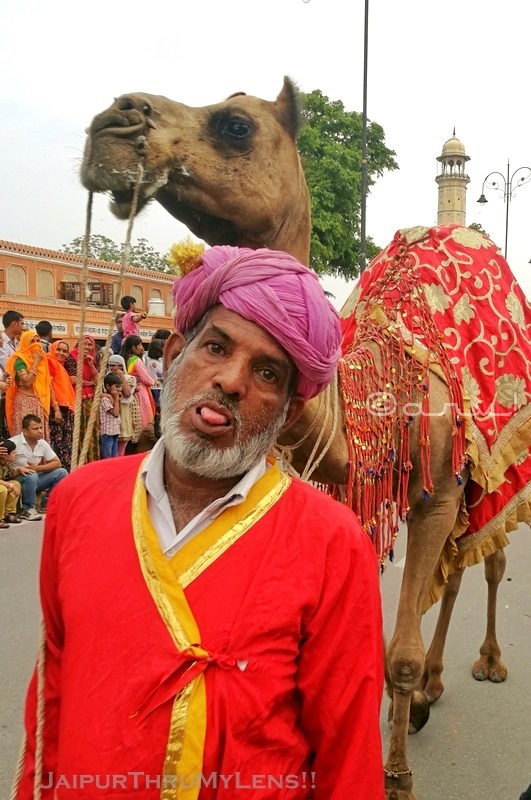
Got you! A street photographer in Jaipur - A unique aspect to look for on Indian streets is Religion And Traditions. India is well-known for its vibrant religious history, and a big spiritual legacy. Despite all the western influence, somethings haven’t changed. While we all know about Hinduism, some of the less known religions that have taken birth and thrived in India are Buddhism, Jainism, and Sikhism. The intermingling and co-existence of religions have added to the unique culture. Apart from religion, India is additionally a prominent center for spirituality and Yoga. Religion constitutes a significant part of daily Indian life and this presents an excellent opportunity to capture images. Photographers love to capture images that convey dedication and spiritual connections. It is not arduous to find ancient rituals in every nook and corner of the walled city of Jaipur.
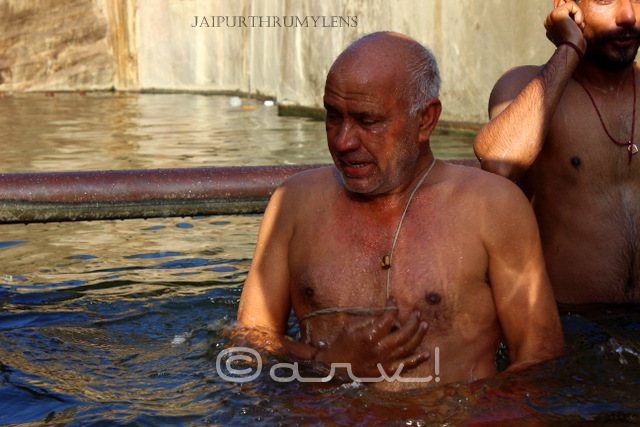 This holds true even for many other cities in India. These occasions provide authentic scenes for photographers to document and capture. The following pictures are from various religious and cultural celebrations like the Kanwar Yatra in the month of Sawan and Teej.
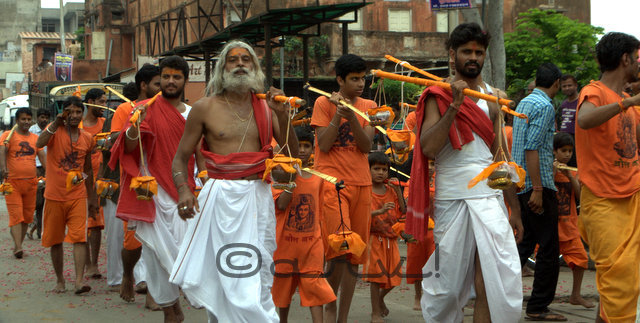
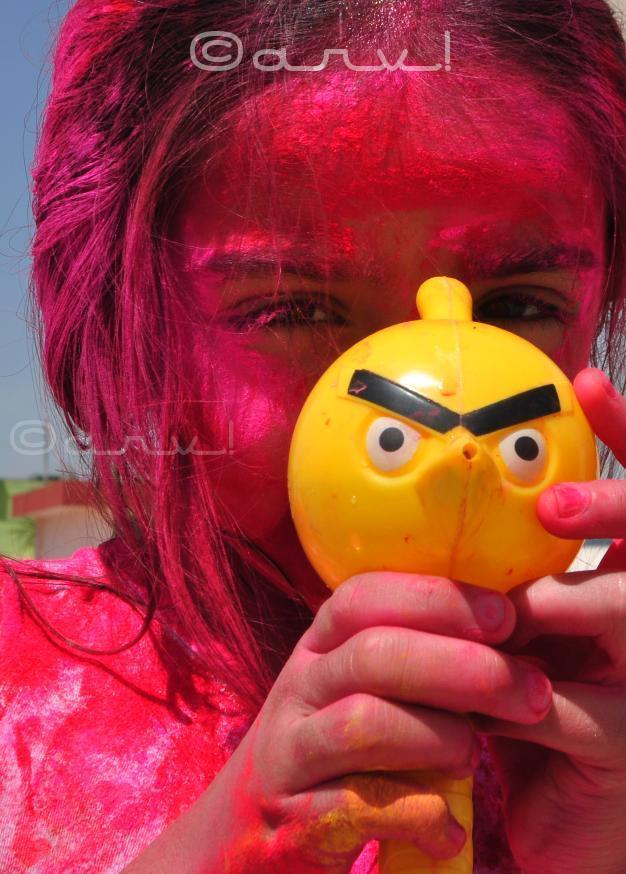
Here are pictures from Holi celebrations in Jaipur.
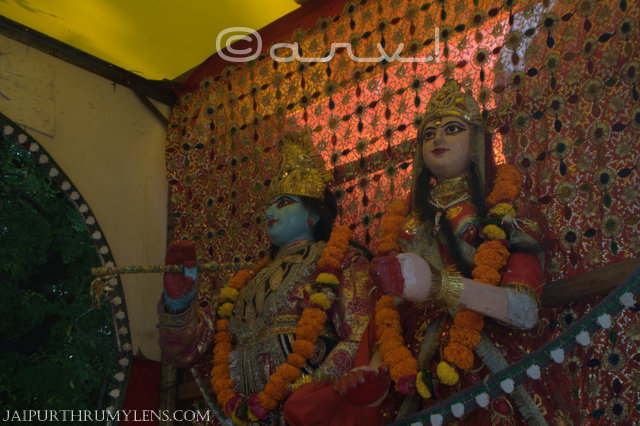
From the procession of Krishna Janmashtami.
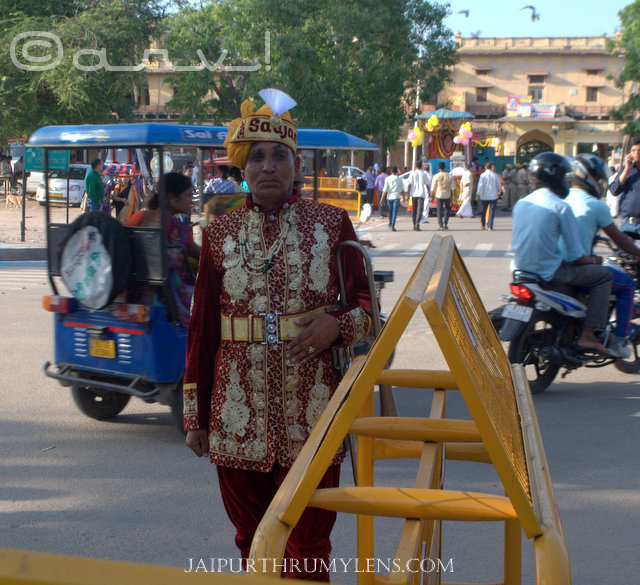
One of the most photographed elements of Indian religion among western photographers is Babas and Jogis, better known as holy men and ascetics.
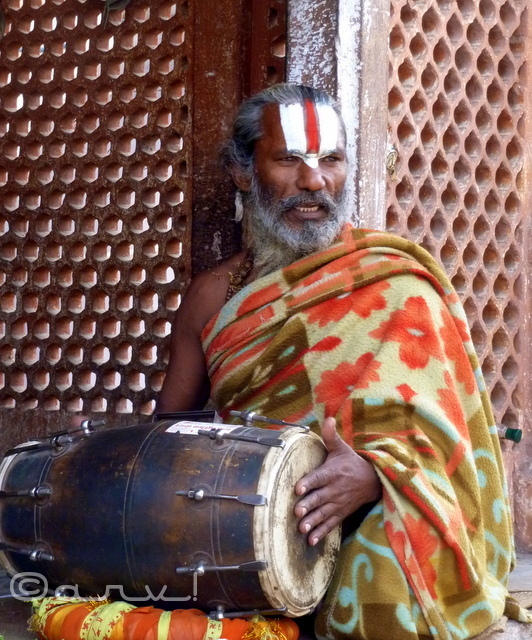
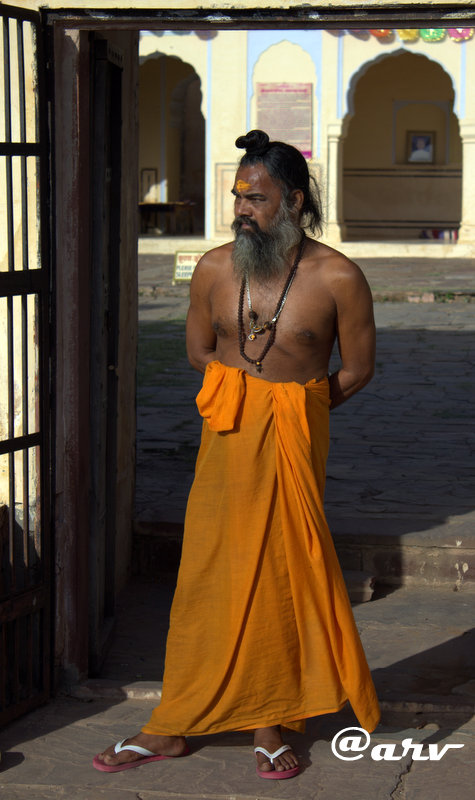
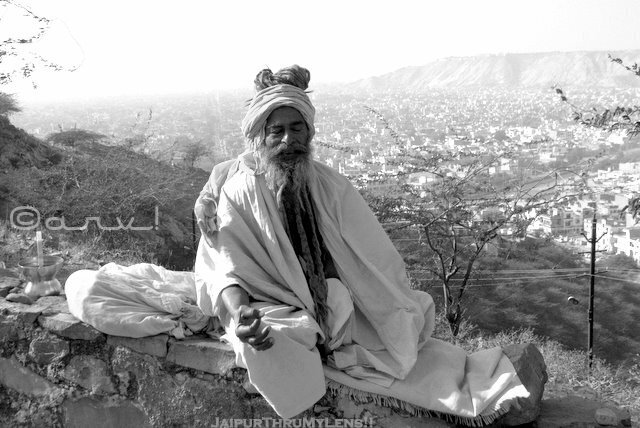
I guess the reason for their popularity is that these are mysterious & charismatic characters and unique to India. They have long been linked to spirituality and power. Such images are considered cliche by many people because of their popularity. Even then it is not challenging to secure a few unique pictures of these men.
Follow Jaipurthrumylens on Facebook Twitter Instagram
Which are the best places for street photography in India?
Here is the list of best places for street photography in India.
- Jaipur
- Varanasi
- Pushkar
- Old Delhi
- Haridwar
- Rishikesh
- Kolkatta
- Mumbai
- Chennai
The reason for including these cities on the list is because they offer many interesting scenes and sights.
I hope this blog on street photography in India and tips will assist and prepare you better. India is definitely one of the leading places for street photography in the world. One of the things that provide immense joy is when I hand over a developed copy of a photo to the people on the street. A smile on their face is priceless. Try it yourself someday!
Discover more from JaipurThruMyLens
Subscribe to get the latest posts sent to your email.
 JaipurThruMyLens
For people planning to do street photography in India, there is excellent advice in your post today, Arv. They should bookmark it for future reference.
LikeLiked by 4 people
Thanks for sharing your thoughts on this post. I’m glad you found it useful and a good resource for reference.
LikeLiked by 1 person
Very cool guide and awesome street photography, Arv! Your post made my day! Thanks for sharing! Marcus
LikeLiked by 3 people
I’m glad you liked it. Your street photography tips provided the required nudge. Thanks for sharing and inspiring.
LikeLiked by 1 person
You are welcome, Arv! It means a lot! Marcus
LikeLiked by 1 person
🙂
LikeLiked by 1 person
This is just an amazing post, Arv, your view and progress in Street Photography is just beautiful to watch.
LikeLiked by 3 people
Thanks Cornelia, You comment is certainly encouraging. I’m glad you liked this post. Do you have anything to share based on your photography experience in India?
LikeLiked by 1 person
Oh, I would have quite a bot share. Actually I written an article for a Photography Magazine, which was published a while ago. I probably could send you the article, if your are interested.
LikeLiked by 1 person
wow! That sounds interesting, Cornelia. Please do share, it’ll be great to read about it.
LikeLike
I love your photography. You get a real look at the Life in India here. Do you sell your photos at all?
LikeLiked by 3 people
Thanks, Erika! I’m glad you liked these pictures. Yes, I do. Let me know which one interests you.
LikeLike
You have an amazing eye, Arv! Love the photos!
LikeLiked by 3 people
Thanks, Lisa. I’m glad you liked these pictures.
LikeLike
Some excellent advice Arv, especially for those planning a visit but honestly your tips would apply anywhere. Well done!
LikeLiked by 3 people
Thanks for ratifying. Coming from a great photographer, it means a lot. 🙂
LikeLiked by 1 person
Street photography is a recent phenomena, probably more of an interest to the western world. You have captured some realistic shots of people arv, and your suggestions are a wonderful guide for those interested in rare spectacles (so to say for them.) Those who grow up in these streets, sit there and sell their wares, it is life. Isn’t it ironic that their hard life seems interesting to the privileged ones?
LikeLiked by 3 people
I agree it is a western concept. However, it is not new. If you would have read my previous post on the photographer king of Jaipur (the mid-1800s), you must have seen many old street photos- both people and street scenes. I agree with your thoughts that it is ironic. I had similar thoughts before I started photographing the streets. My interest is centered around documenting life and photography itself. I usually use these pictures to convey my thoughts or bring forth the unsaid part or realities of life. You must have read many such stories. It is a joy when people ask you to click their pictures and hand over the prints.
LikeLiked by 1 person
Keep up the good work arv! If you add one smile to somebody’s face with your generous photography, that is fantastic work. 🙂
LikeLiked by 1 person
Thanks for sharing your thoughts and appreciation. 😊
LikeLike
Wow!!! It’s like a reference sheet for street photography. Pretty exhaustive & informative.
I have never done street photography exclusively. Here & there once in a while …. Maybe.
Good selection of captures for the post Arvind. The city list is good ……. Sadhus / babas / jogis are certainly popular and so are scenes from fairs. Would day to day village life scene fall under this category?
Who knows I may try my hand at street photography one fine day with reference to your post ✨
LikeLiked by 2 people
Thanks, Monika. The list is based on active street scene. I’m sure there are many more places that can fit in. Even villages have many interesting scenes. Well, anything is good as long as you can do photography. I’m glad you liked this post.
LikeLiked by 1 person
Great post, Arv with some interesting photos and good insight on street photography. I am still yet to get out of my inhibition properly for street photography and get involved in this intriguing part of art called photography.
LikeLiked by 3 people
Thanks, Sarmistha. Try it out a couple of times. I too shied away from it for a long time and was pleasantly surprised when I finally ventured into this style of photography. 🙂
LikeLiked by 1 person
Loved the post. Great Street shots.
LikeLiked by 3 people
Thanks Rupam. Coming from a good photographer, it made my day 😊
LikeLiked by 1 person
Wonderful photos!
LikeLiked by 3 people
Thanks, Sangeetha 😊
LikeLike
This post is a guide book for street photography. Personally, I don’t know anything about camera but I always adore street photographs. These pictures always try to tell you some story.
LikeLiked by 3 people
Deeksha, it is not about camera. It is all about capturing moments. This is a reason why I have not given any technical information. You can also do photography with smartphone. A lot of amateur and professional photographers in Europe have shifted to smartphone for street photography. Well, the bottom line is about the frame, moment, and the story. Isn’t it so?
LikeLiked by 1 person
Agreed, it’s all about frame, right moment and story.
People are shifting to smartphone for photography, this is amazing!
LikeLiked by 1 person
Who knows you might love street photography centred around food? 😊
LikeLiked by 1 person
Arv, I love everything in photography.
That ghevar picture in your post.. seeing those pictures I missed Jaipur so much.
Inshaallah, probably one day I will be able to click good picture.
Enjoy midweek holiday!!
LikeLiked by 1 person
You sure will, Deeksha! Passion finds its way quite like cooking. 🙂
LikeLiked by 1 person
👍😊
LikeLiked by 1 person
🙂
LikeLiked by 1 person
Very beautiful photography. You really provided us with a great roadmap into visiting India and participating in a wonderful photography experience. Thanks for sharing!
LikeLiked by 3 people
Happy to hear this. Hope you get to visit India sometime soon. 🙂 Where are you based?
LikeLike
Great insights on street photography! The pictures are amazing. They all tell a story!
LikeLiked by 3 people
Thanks, Ankita. I’m glad you liked these pictures. Have you ever tried your hands with street photography?
LikeLike
Excellent guide to street photography! You share so much valuable info. And using your own photographs as visual aids is brilliant. I love your photography! Well done.
LikeLiked by 2 people
I’m glad you liked it, Cindy 🙂
Just sharing my experience for the benefit of others. Do you love street photography?
LikeLike
Photography brings so much joy within us provided we love the very act of photography and you have such a deep passion, and it shows in every photo you take. Top of it the beautiful narration of yours adds to the beauty of telling visual story with a context. Street photography is so much on the go and we need to pause and play with the action in motion. Always a pleasure experiencing your lovely art of storytelling. Let this new year bring great success to your passion.
Wishing you Arv a wonderful 2020 Happy New Year!!!
Signing Off 2019 from wondering “Makeup & Breakup.”
😀
LikeLiked by 3 people
Thank you for good wishes, Nihar. I’m glad you like street photography pictures. 🙂
LikeLiked by 1 person
Thanks Arv and have a wonderful year ahead.
😀
LikeLike
Great post!
LikeLiked by 2 people
Some beautiful picture drop you. I think DSLR capture much better.
LikeLiked by 3 people
Thanks
LikeLike
Building a community of (travel related) bloggers is one of such attempts to know about the roots of a city.
LikeLiked by 3 people
True. I suppose this is not about commercial venture. Any community built for commercial gains never lasts long.
LikeLike
Love that they are offered a picture of themselves. 🤗People watching is what I love doing. Taking Photographs too. Thank you for the tips Arv. 🌺 🌸 💐
LikeLiked by 3 people
This is the least I can do, Kavitha. It does make many people happy. People watching? wow! Well, it is very interesting thing to do. You can predict 70% of a persona by keenly observing their body language and behaviour. Isn’t it so?
Which cities are good for street photography in SA?
LikeLike
I think all over but Cape Town for the rich and famous. The townships for the hard hit and the robots for the beggars. Always though, the animals and children affect me.
LikeLiked by 1 person
That comes from the heart. You are so thoughtful, Kavitha
LikeLiked by 1 person